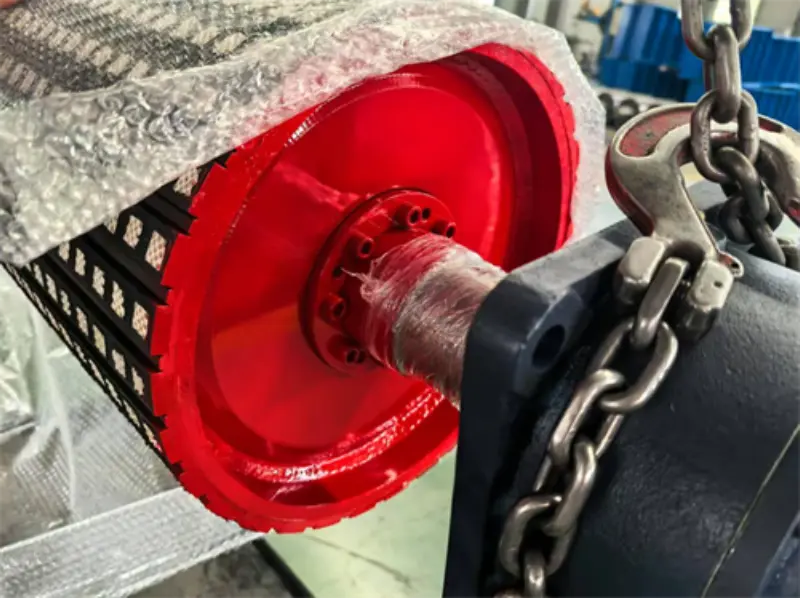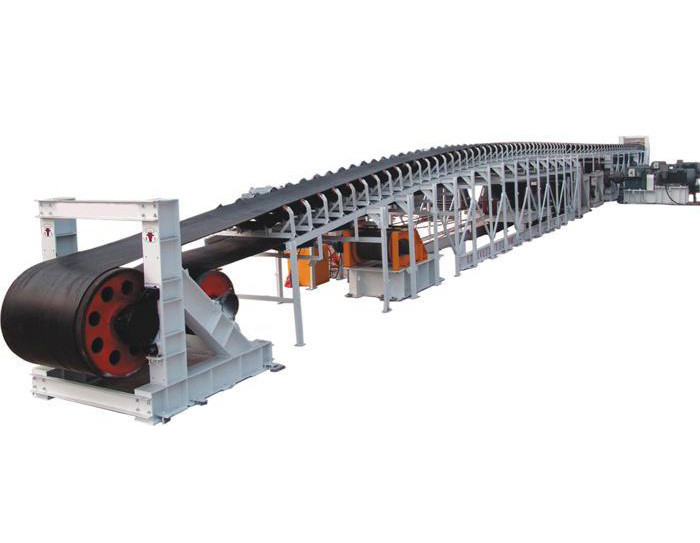

As the professional manufacturer, Xin Aneng would like to provide you high quality belt conveyor. A belt conveyor is a continuous material handling equipment widely used in industrial production. It consists of a flexible endless conveyor belt, driving rollers, idlers, tension devices, supporting frames and drive units.
Powered by the motor and reducer, the driving roller pulls the belt to circulate continuously. Bulk materials such as ores, grains, coal, sand and finished packaged goods are placed on the moving belt to realize stable horizontal, inclined or vertical transportation.
Belt conveyors feature simple structure, low operating noise, large conveying capacity, long transport distance and low maintenance cost. They are core equipment in mines, ports, cement plants, food processing, logistics warehouses and chemical factories. Special types like sidewall belt conveyors, pipe belt conveyors and heat-resistant belts are customized for high-temperature, large-incline or sealed conveying demands.
Conveyor belt: The load-carrying medium, including rubber belts, PVC belts, EP/NN fabric belts
1. Drive pulley & motor drive system: Provide traction power
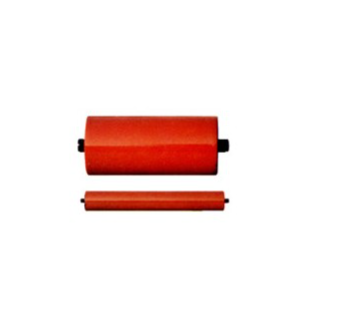
2. Idler rollers: Support the belt and materials to reduce friction
3. Take-up device: Adjust belt tension to prevent slipping
4. Supporting frame & chute: Fix the whole machine and guide material feeding
5. Cleaning scraper: Remove residual materials stuck on the belt surface
High continuous conveying efficiency with stable operation
· Adaptable to horizontal, upward and downward inclined conveying
· Gentle transportation that avoids damage to fragile materials
· Low energy consumption and easy daily maintenance
· Can be combined into long-distance conveying lines
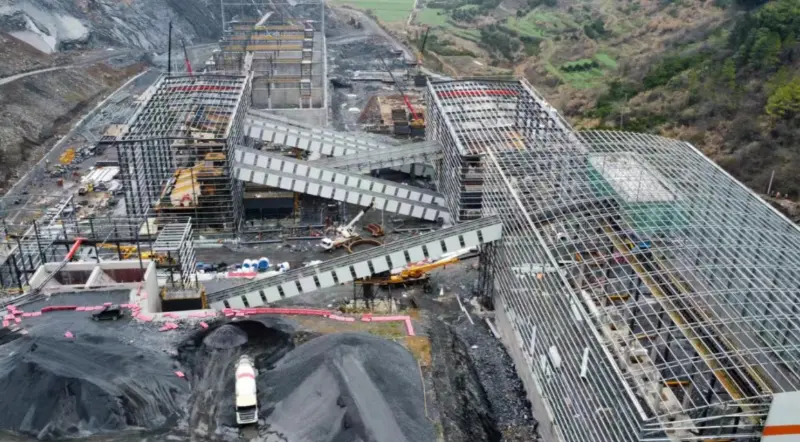
· Mining industry: Transport coal, iron ore, stone aggregates
· Port & logistics: Container bulk cargo, grain bulk transportation
· Construction industry: Sand, gravel, cement raw materials
· Food industry: Grain, flour, packaged snacks (food-grade PVC belts)
· Chemical plant: Non-corrosive granular raw materials