We are glad to share with you about the results of our work, company news, and give you timely developments and personnel appointment and removal conditions.
Even with the selection of the most suitable conveyor belt, operational faults are difficult to eliminate entirely in practice. Mastering the troubleshooting methods for common issues is key to ensuring continuous production.
Selecting the right industrial conveyor belt is no easy task—it requires a comprehensive consideration of three core factors: material characteristics, production requirements, and site environment. A wrong choice can not only reduce production efficiency but also lead to safety hazards and additional maintenance costs.
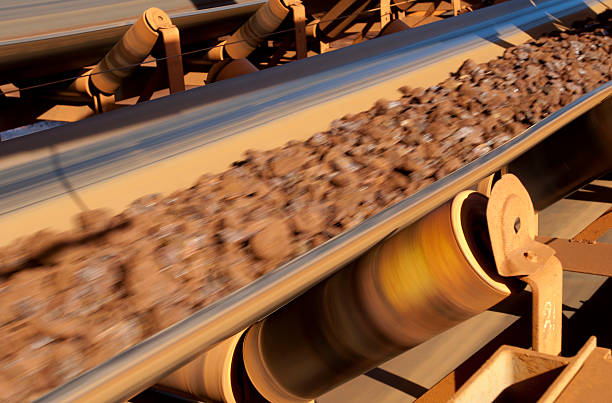
In the grand development of modern industry, if factories and equipment are the bones and muscles, then industrial conveyor belts are the tireless "blood" that runs through it all. They may seem ordinary, but they carry everything from huge rocks in mines to delicate chips, serving as the stable and efficient foundation of automated production lines.
Chevron belts are key components in industrial conveying and transmission systems. Featuring anti-slip, wear-resistant and large-angle conveying properties, they are widely used in mining, building materials, grain, logistics and automated equipment. Correct installation is the foundation to ensure stable belt operation, extend service life and prevent malfunctions. Standard procedures and detailed operations must be strictly followed during installation to guarantee efficient and safe equipment operation.
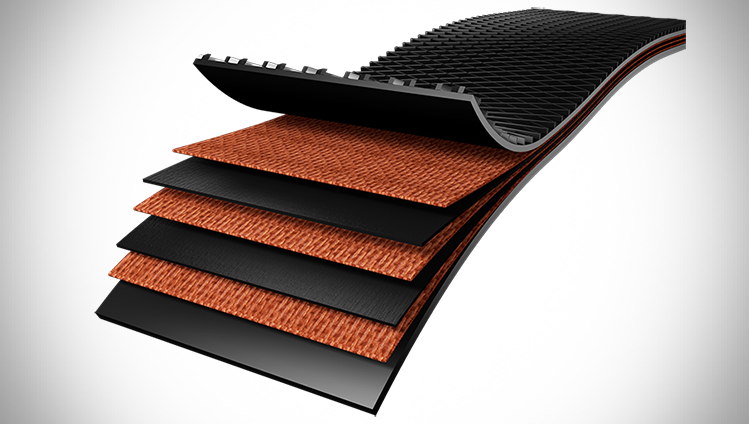
A chevron belt is a specialized belt commonly used in industrial conveying and power transmission. It is named for the regular "herringbone" or "chevron-shaped" raised patterns on its surface. It is mainly divided into two categories: chevron patterned conveyor belts and herringbone timing belts, which are widely used in material handling and precision transmission applications.
Heat resistant conveyor belts are mostly used in high-temperature working conditions such as cement, metallurgy and coking, where materials feature high temperature and strong impact. The quality of installation directly affects their service life and operational safety. Only through standardized installation and careful operation can failures such as belt deviation, cracking and delamination be avoided, ensuring stable and efficient operation of the conveying system.
We use cookies to offer you a better browsing experience, analyze site traffic and personalize content. By using this site, you agree to our use of cookies.
Privacy Policy