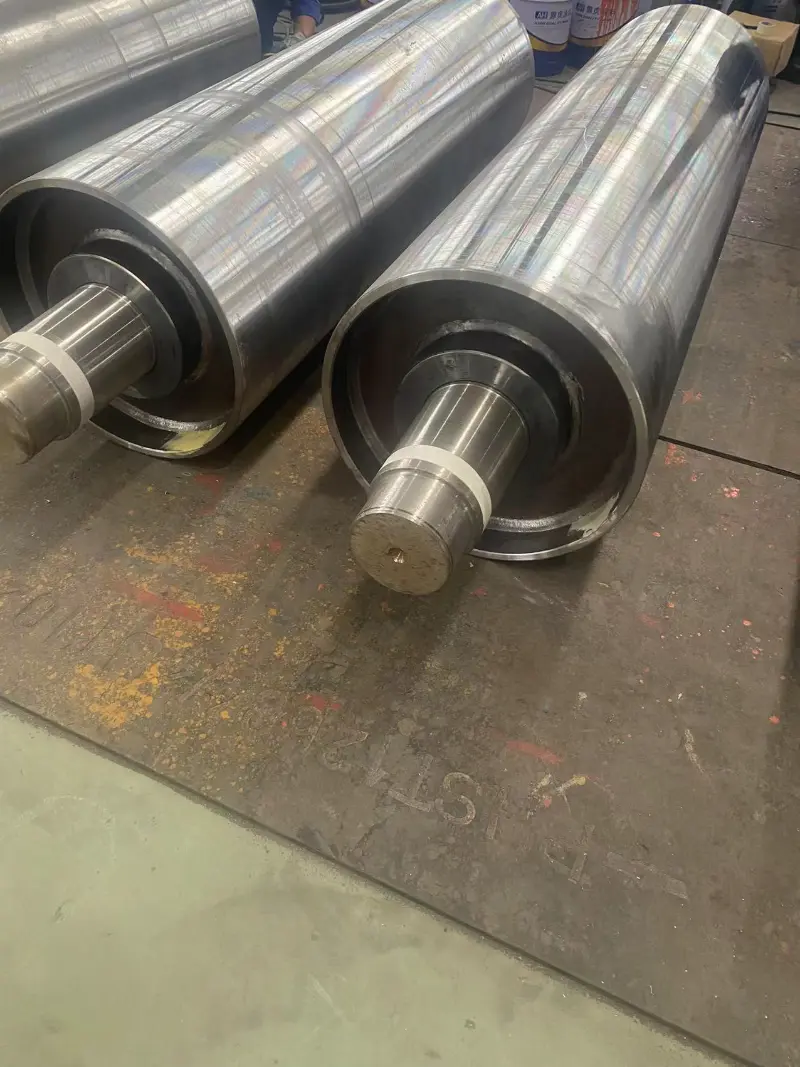
Pulleys are the core bearing and transmission components of various material transportation equipment such as belt conveyors and roller conveyors. Their work centers on two core objectives: "power transmission" and "load bearing". They are divided into two categories: drive pulleys and driven pulleys (including idlers, direction-changing pulleys, and Tensioning pulleys). Different types of pulleys cooperate with each other to achieve continuous and stable transportation of materials. Whether it is heavy-duty mining transportation or light-duty logistics sorting, the operation of pulleys relies on three foundations: rotational support, friction transmission, and load bearing. Bearing connections ensure low-resistance rotation, friction provides power transmission, and high-strength materials bear the weight of materials and equipment tension.
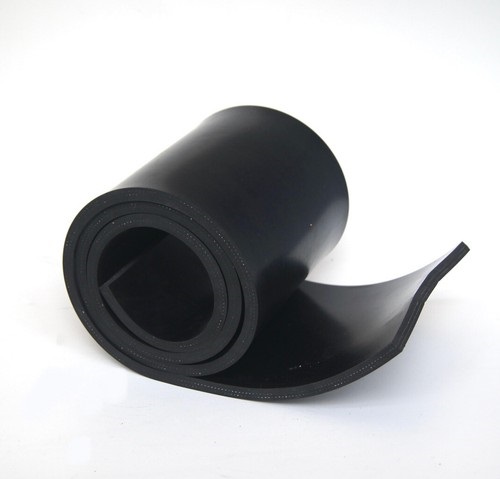
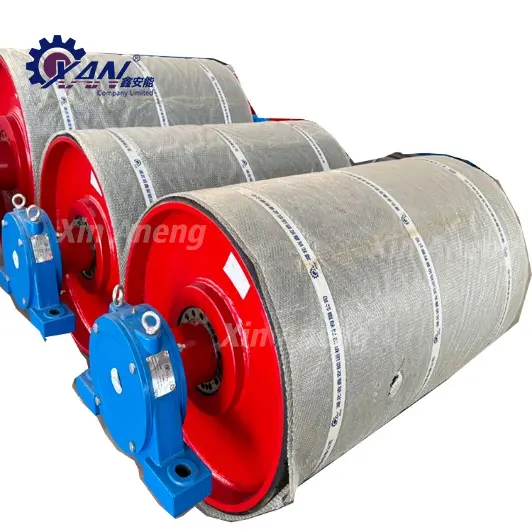
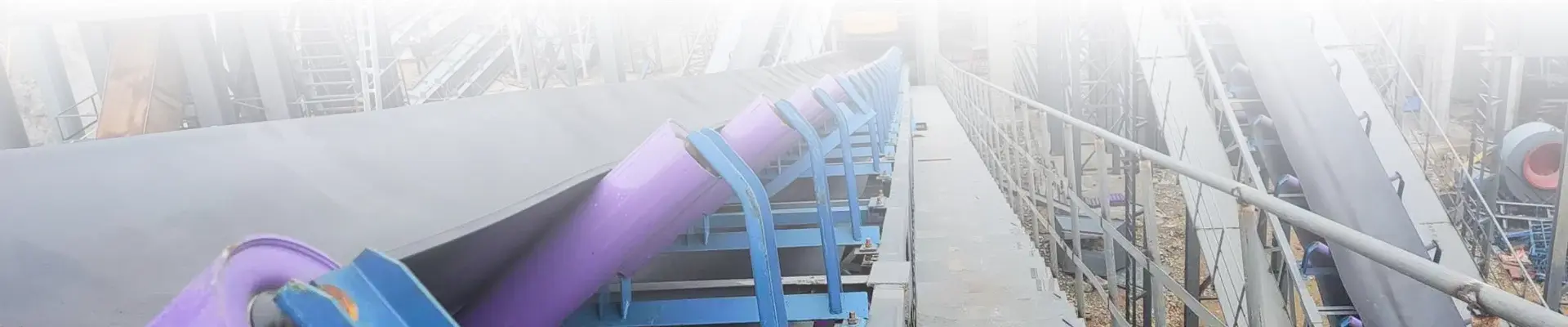
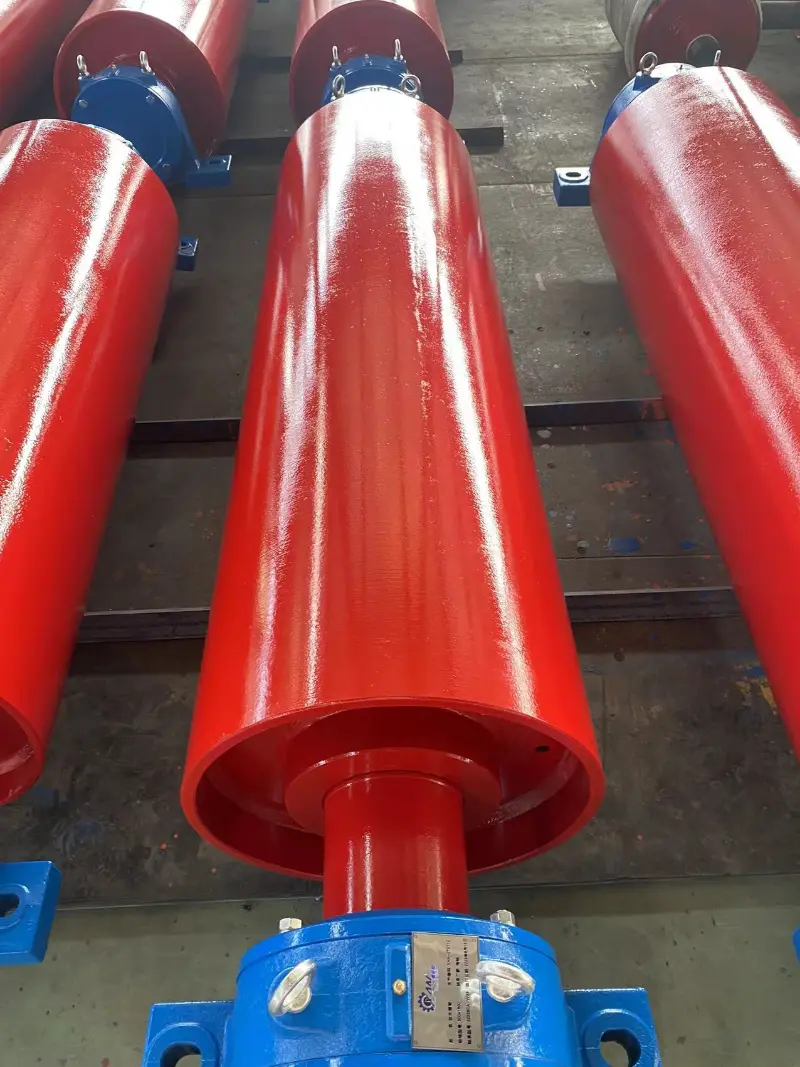
In the most widely used belt conveyors, the drive pulley is the "power heart" of the entire system, and its core function is to drive the conveyor belt to operate through friction. After the motor adjusts the speed and increases the torque via a reducer, it drives the drive pulley shaft and the pulley body to rotate. The outer surface of the pulley is closely attached to the inner side of the conveyor belt. To avoid slipping, the pulley surface is usually rubber-covered or grooved. Meanwhile, a tensing device is used to maintain the belt tension, enabling sufficient static friction between the two to pull the conveyor belt to move synchronously. The conveyor belt then drives the materials above to transport forward. The direction-changing pulley acts as a "rudder", changing the running direction of the conveyor belt through passive rotation, while extending the contact surface between the belt and the drive pulley to enhance friction, adapting to different conveying layouts such as horizontal and inclined.
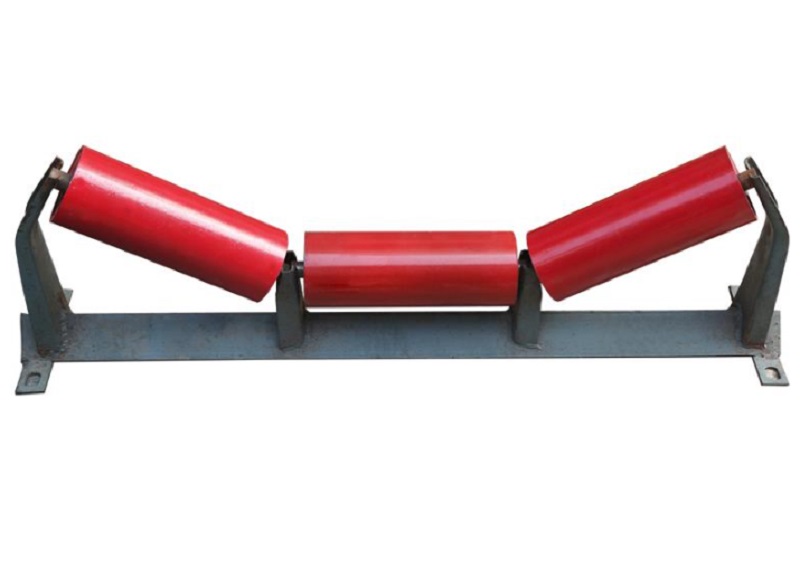
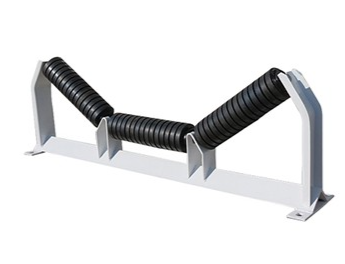
The stable operation of belt conveyors also relies on the auxiliary cooperation of tensioning pulleys and idlers. The tensioning pulley adjusts the tightness of the belt through the movement of tensioning devices such as screws and weights, compensating for the elastic elongation and wear of the belt, ensuring the contact pressure between the drive pulley and the belt, and fundamentally eliminating slipping. A large number of small idler pulleys are evenly arranged under and on both sides of the conveyor belt. They not only bear the weight of materials and the belt to prevent the belt from sagging but also convert sliding friction into rolling friction through passive rotation, significantly reducing operating resistance and energy consumption, while protecting the belt from wear. The entire pulley system of the belt conveyor forms a power transmission chain of "motor - reducer - drive pulley - belt - materials", and all components cooperate to ensure efficient and stable transportation.
In pulley conveyors without belts, pulleys directly bear materials, suitable for the light-duty transportation of hard objects such as cartons and pallets. They are divided into two types: unpowered and powered. Unpowered pulley conveyors rely on external force for driving. The pulleys are arranged horizontally or slightly inclined. Materials obtain initial power through manual pushing, gravity sliding, etc., driving the pulleys to rotate passively, converting sliding friction into rolling friction, and realizing low-resistance movement of materials. They are widely used in scenarios such as warehouse loading docks and sorting lines. Powered pulley conveyors are suitable for automated transportation needs. They use chain transmission or built-in micro-motors to make the pulleys rotate actively, directly driving materials to move by means of friction between the pulleys and the bottom of the materials. They can achieve constant-speed and precise transportation, and cooperate with sorting mechanisms to complete steering and shunting, making them the core components of express sorting lines and production lines.
To adapt to different working conditions, pulleys are also equipped with a variety of auxiliary designs to optimize work efficiency: grooved pulleys are used in humid and dusty environments for water and sludge drainage; anti-static and high-temperature resistant coatings are adopted in special industries such as chemical and food; conical pulleys are used in pulley conveyors to correct material deviation. These designs are combined with the core working mechanism of pulleys, enabling pulleys to adapt to different loads, environments, and transportation needs. They have become indispensable key components in various transportation equipment, supporting the material transmission systems in modern logistics, mining, manufacturing, and other fields.