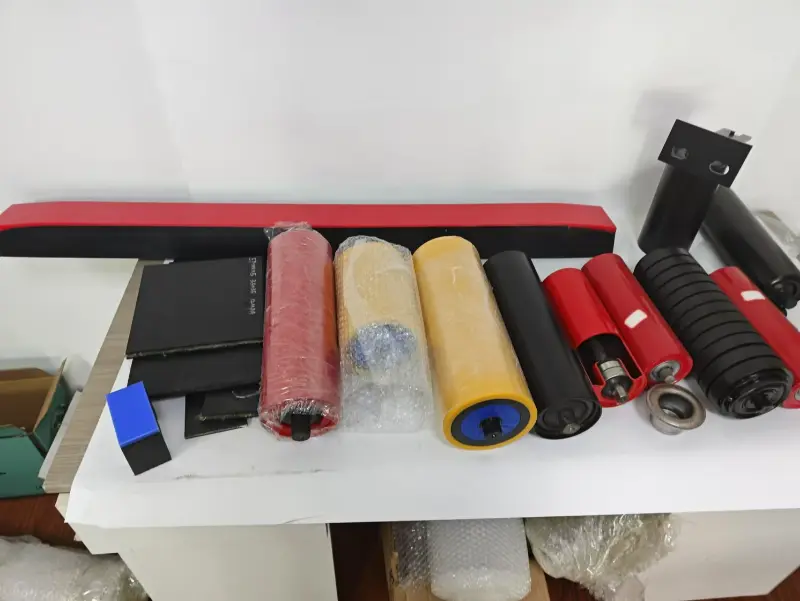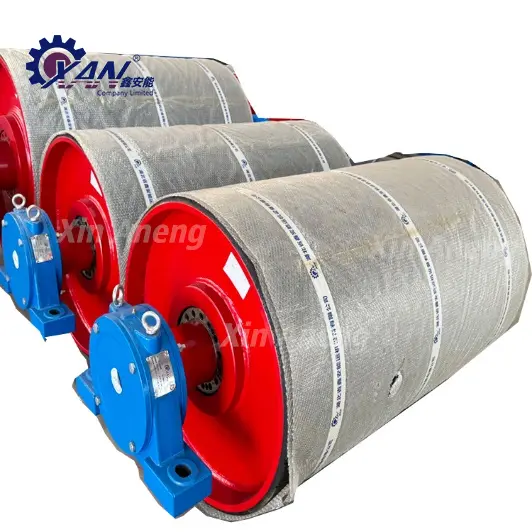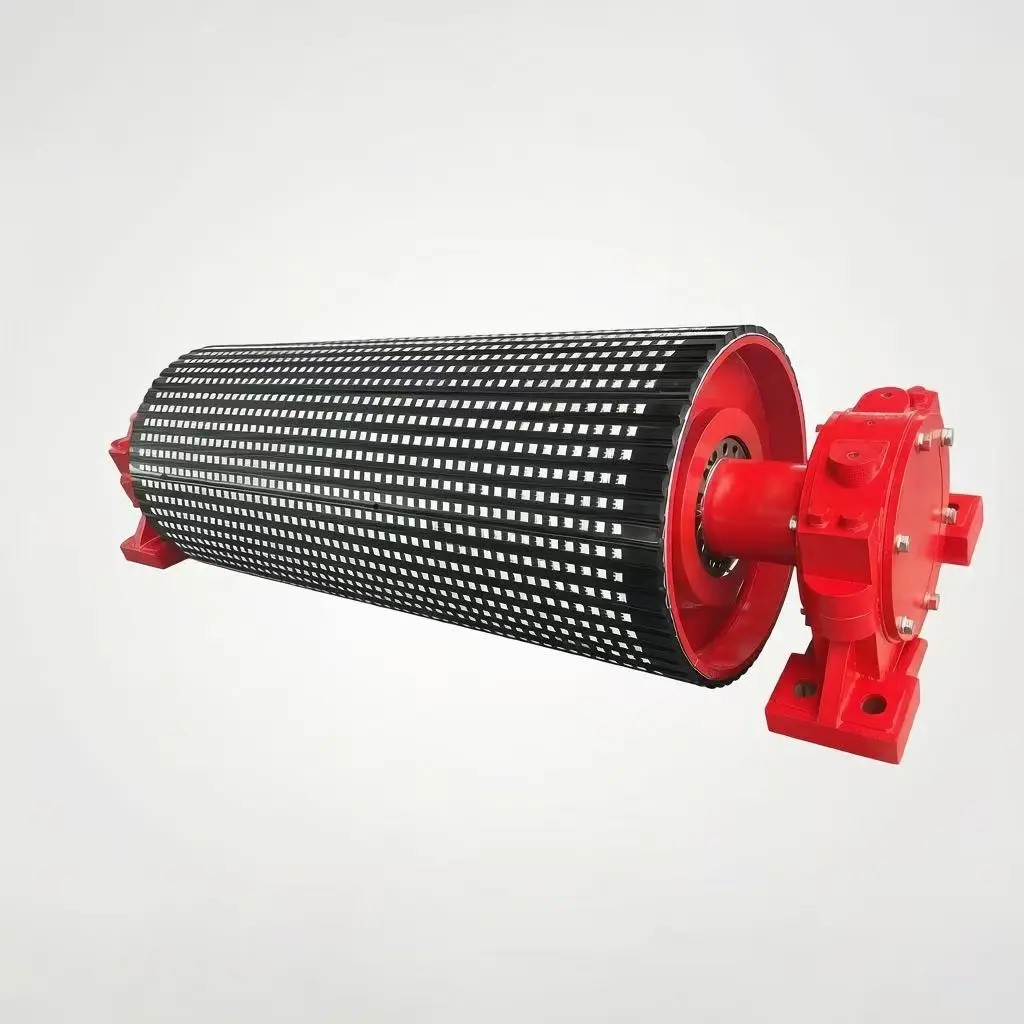
In the complex system of conveying equipment, the idler wheel, though often overlooked, serves as a critical component that ensures the smooth and efficient operation of the entire conveying process. Unlike driving wheels that provide motive power, the idler wheel operates as a passive rotating component, yet its functional mechanism is closely intertwined with the stability, efficiency, and service life of the conveyor—statistics show that well-designed idler systems can reduce conveyor energy consumption by 15% to 25% compared to poorly configured ones. Understanding how it operates requires exploring its structural integration, force transmission, and functional coordination within the conveying system.
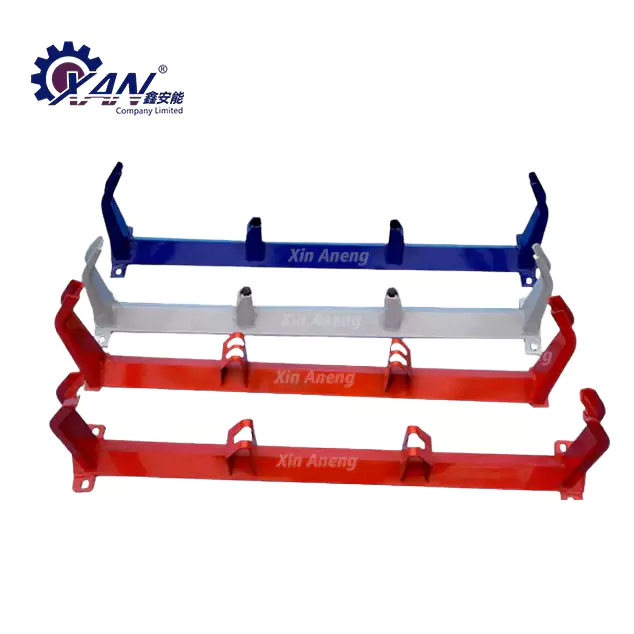
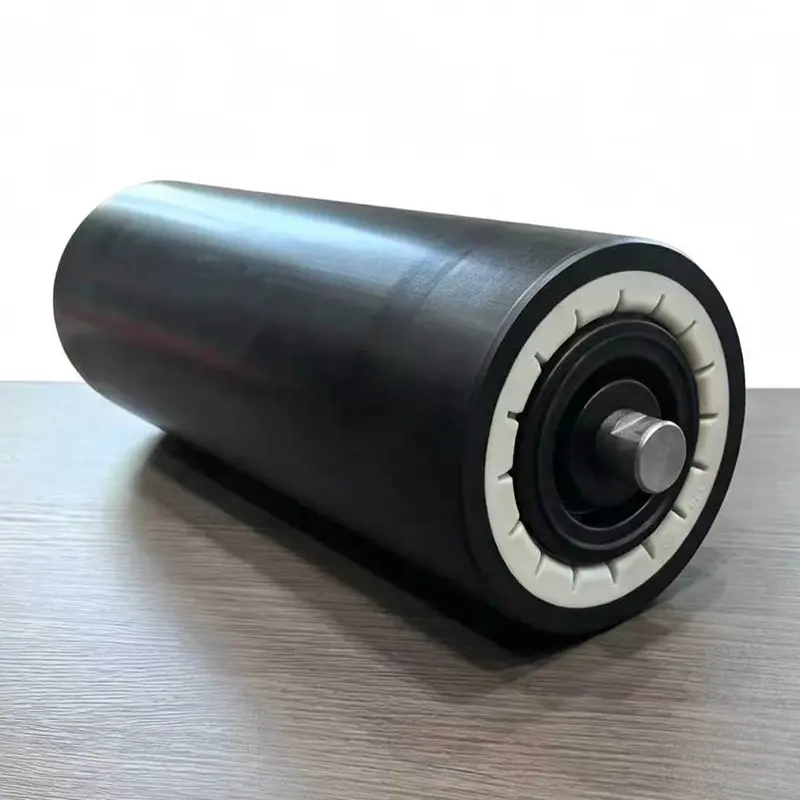
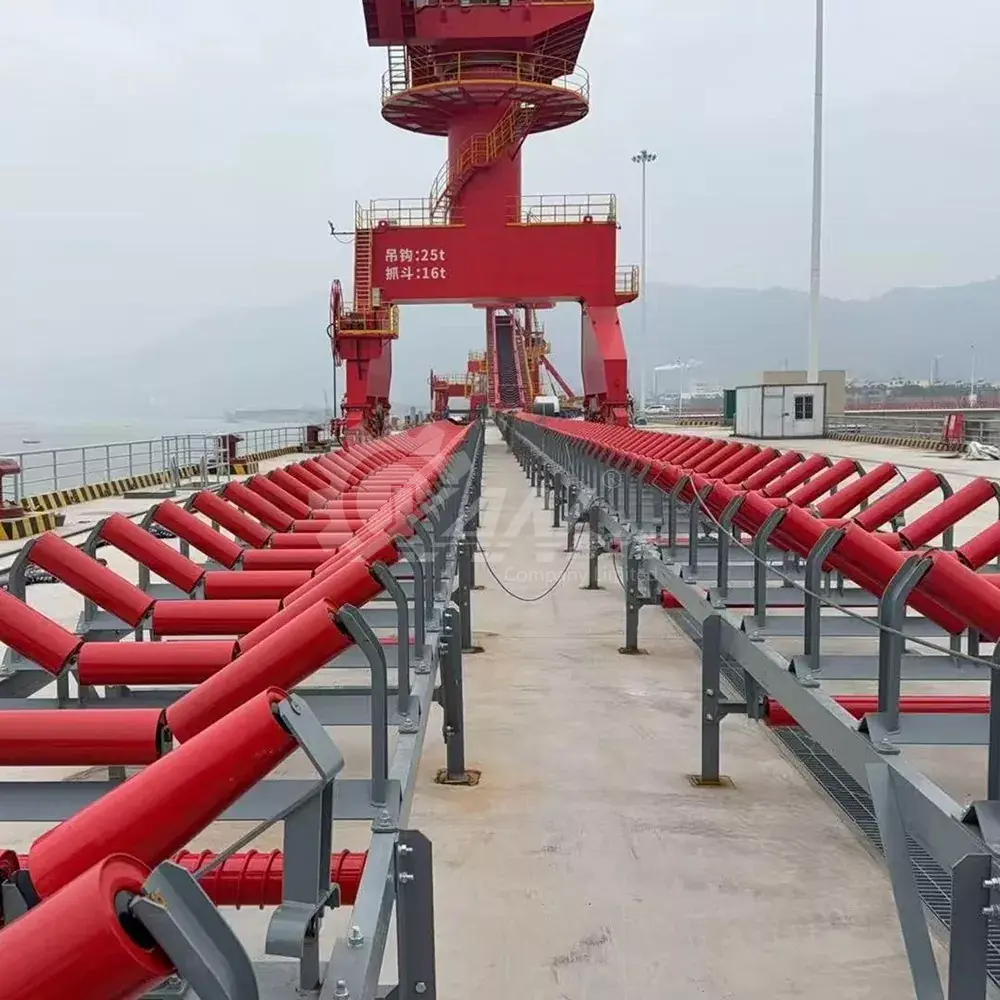
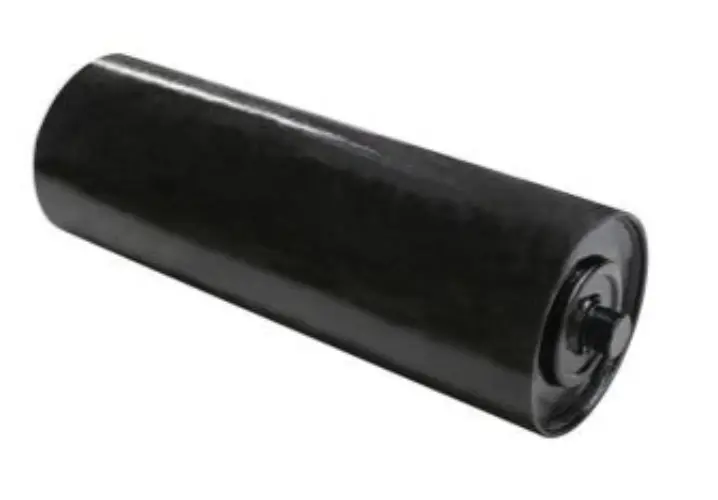
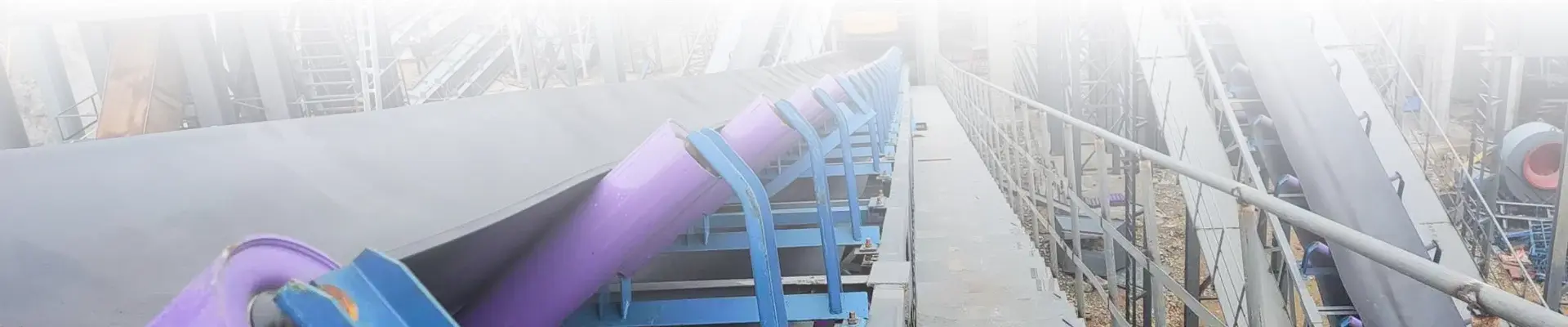
Structurally, idler wheels are typically mounted on brackets along the entire length of the conveyor frame, with spacing ranging from 0.8 meters to 1.5 meters depending on the conveyor’s load capacity, forming a supporting roller bed that carries the conveyor belt and the materials on it. Each idler wheel is equipped with high-precision bearings at both ends, which are encapsulated with rubber or metal seals to prevent dust, moisture, and granular materials from entering—this sealing design can extend the idler’s service life to 20,000 to 30,000 operating hours, a 40% increase compared to un-sealed alternatives. The arrangement of idler wheels varies according to the conveyor type: trough conveyors adopt a V-shaped layout of three idler wheels (usually with an included angle of 35° to 45°) to keep bulk materials centered, while flat conveyors use parallel idler wheels for uniform support. This structural configuration lays the foundation for the idler wheel’s operational reliability.
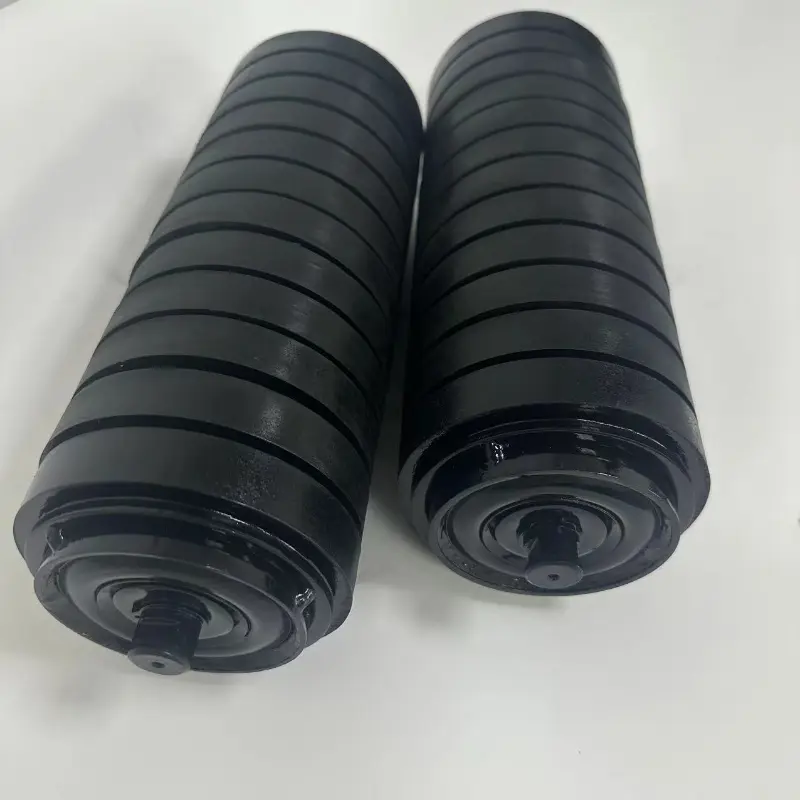
The core operating principle of the idler wheel lies in converting sliding friction into rolling friction. When the conveyor belt moves under the drive of the motor and driving pulley (at speeds typically 1.2 m/s to 4 m/s in industrial settings), the friction between the belt and the idler wheel’s surface generates a tangential force. This force drives the idler wheel to rotate synchronously with the belt. By replacing the direct sliding between the belt and the fixed frame with the rolling of the idler wheel, the frictional resistance is significantly reduced—tests indicate that rolling friction coefficient between idler and belt is only 0.01 to 0.03, far lower than the sliding friction coefficient (0.3 to 0.5) between belt and rigid frame. This not only lowers the energy consumption of the conveying system but also minimizes wear on the conveyor belt, extending its service life by 30% on average.
Beyond reducing friction, the idler wheel also plays a key role in maintaining the stability of material conveying. During operation, each idler wheel can bear a load of 50 kg to 500 kg, depending on its diameter (ranging from 89 mm to 219 mm) and material. The evenly spaced idler wheels distribute this load uniformly, limiting belt sag to less than 2% of the idler spacing—excessive sag beyond this range would lead to material spillage or belt deviation, which accounts for 60% of conveyor malfunctions. For inclined conveyors (with inclination angles up to 30°), idler wheels with anti-skid surfaces further enhance the friction between the belt and the wheels, ensuring that the belt does not slip backward under the action of the material’s gravity, thus maintaining a stable conveying efficiency of over 95%.
In summary, the idler wheel operates through a simple yet sophisticated mechanism: relying on bearing-supported rotation, it converts sliding friction to rolling friction under the drive of the conveyor belt (reducing friction coefficient by an order of magnitude), while providing uniform support to maintain conveying stability. Its passive operation, though unpowered, is indispensable for the efficient and reliable performance of conveying equipment—contributing to a 20% to 30% improvement in overall conveyor operational efficiency. This makes it a silent cornerstone in industries such as mining, logistics, and manufacturing, where conveyors handle millions of tons of materials annually.