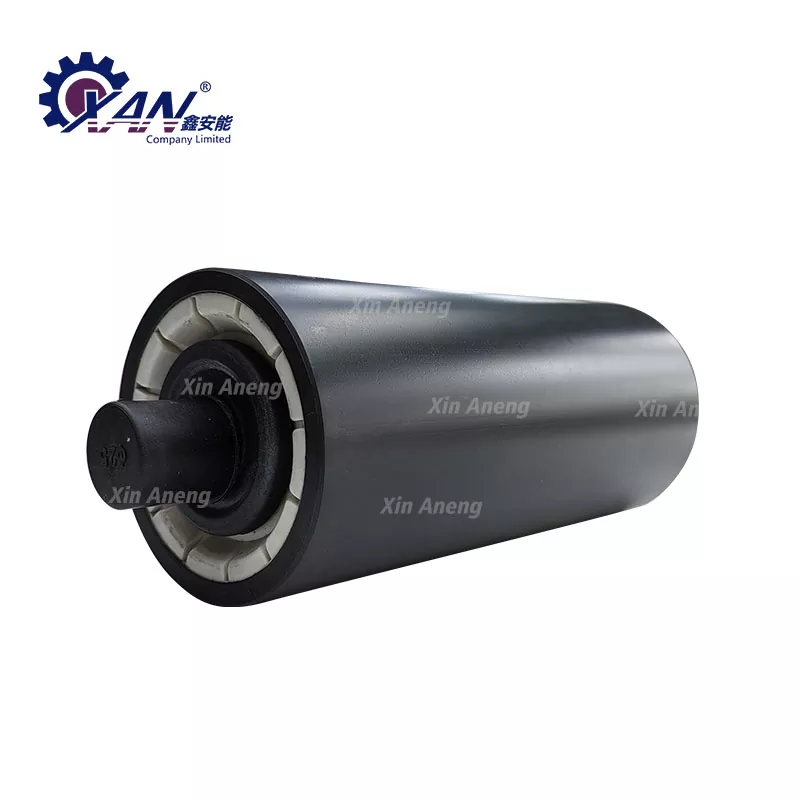

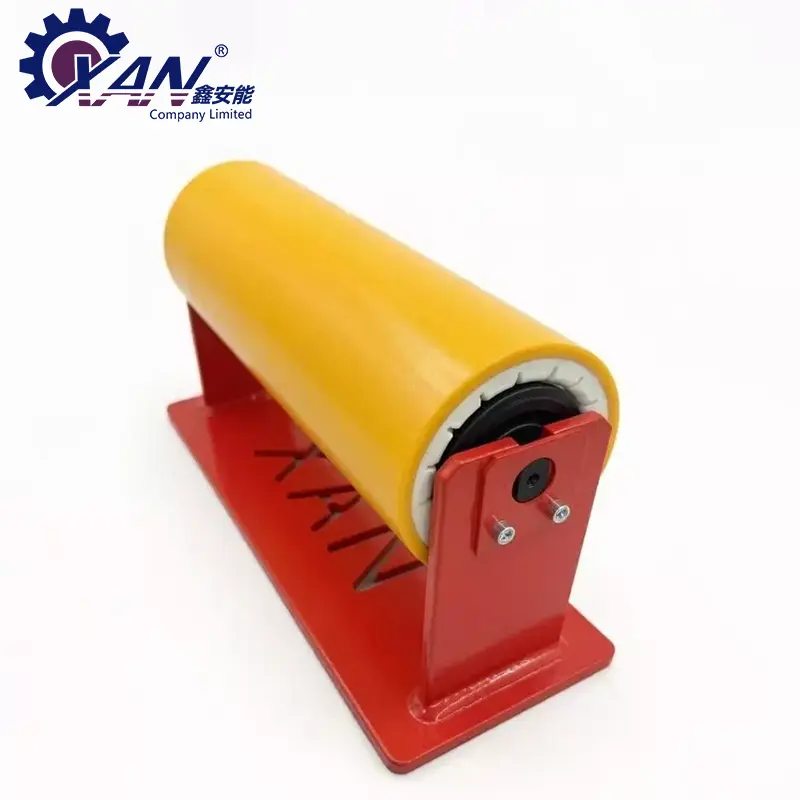
Conveyor idler,also named conveyor roller, which is the most important supporting component of belt conveyor systems, widely used in mining, cement, port, power plant, metallurgy and bulk material handling industries. We are professional in conveyor machinery and spare parts, Xin Aneng’s idlers adopt high-precision integral processing, double-layer multi-sealed bearing structure, with low noise, low resistance, dustproof, waterproof, anti-corrosion and long service life. Our standard is ISO, DIN and SANS and Cema etc
 .
The table below shows typical configuration options, not fixed specifications for every model. Final dimensions and load ratings are confirmed against the conveyor design.
|
Item |
Typical options |
|
Idler type |
Carrying, return, impact, self-aligning, or transition idler |
|
Roller diameter |
76, 89, 102, 108, 127, 133, 152, or 159 mm; other sizes on request |
|
Belt width |
400–2,200 mm, depending on idler design |
|
Trough angle |
20°, 30°, 35°, or 45° |
|
Roller shell |
Carbon steel; HDPE or other materials by application |
|
Shaft |
Steel, sized to suit the specified load |
|
Bearings |
Selected according to load, speed, and operating conditions |
|
Sealing |
Multi-stage sealing configuration available |
|
Surface finish |
Painted, galvanized, or application-specific finish |
|
Configuration |
Individual roller or complete idler set with frame |
|
Customization |
Dimensions, mounting arrangement, materials, and finish |
For an accurate quotation, please send: belt width, roller diameter and length, shaft-end dimensions, idler type, trough angle, belt speed, material carried, operating conditions, and a drawing or sample if available.
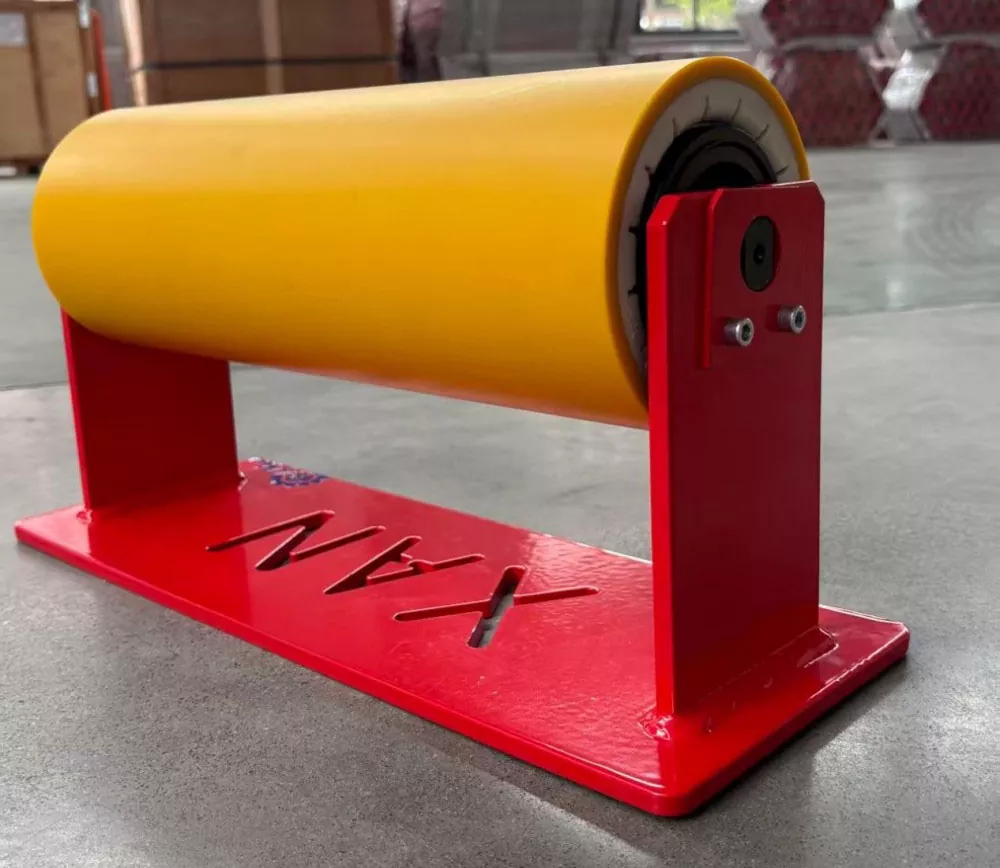
Each component has a job to do. The roller shell provides the belt-contact surface; the shaft supports the assembly; the bearings allow smooth rotation; and the seals help protect the bearings from contamination. The frame holds the rollers in the required position and trough angle.
Material selection depends on the site. Steel rollers are a practical choice for many bulk-handling conveyors. HDPE rollers may be considered where lower roller weight or corrosion resistance is a priority. Impact idlers use rubber rings at loading points to help cushion falling material. We review the complete application before recommending a configuration.
· Application-led selection: Roller dimensions, bearings, seals, and frames are matched to the duty rather than chosen by appearance alone.
· Consistent belt support: Properly selected idlers help maintain the intended belt profile and support the conveyed load.
· Options for difficult environments: Material and sealing choices can be adjusted for dusty, wet, abrasive, or corrosive conditions.
· Replacement compatibility: We can work from drawings, specifications, or samples when matching an existing conveyor.
· Convenient project sourcing: Individual rollers and complete idler sets can be supplied for maintenance or new conveyor projects.

Our idler configurations can be specified for quarry and aggregate plants, mines, cement production, ports and terminals, power plants, recycling facilities, and other bulk-material handling systems. Common materials include sand, stone, ore, coal, clinker, and packaged bulk goods.
The right idler depends on its position on the conveyor. Carrying idlers support the loaded belt; return idlers support the empty belt; impact idlers serve loading zones; and self-aligning idlers may assist where belt tracking needs correction. A tracking problem should also be checked for its underlying cause, including loading, buildup, frame alignment, and belt condition.
Confirm the belt width, installed dimensions, load, belt speed, and environment before selecting an idler. In particular, check whether the mounting slots, shaft ends, roller spacing, and trough angle match the existing structure. For replacement work, a drawing with dimensions is usually more useful than a product name alone.
Idler spacing and transition geometry should be determined as part of the conveyor design. Incorrect support or alignment can affect belt shape, tracking, and wear.
Install the idler on a sound, aligned frame and check that each roller turns freely before starting the conveyor. During routine inspections, watch for seized or noisy rollers, damaged seals, material buildup, uneven wear, loose fasteners, and changes in belt tracking. Replace a failed roller promptly if it risks damaging the belt.
Maintenance intervals should follow site conditions and the conveyor’s operating procedures. Stop and isolate the conveyor before hands-on inspection or replacement. If tracking problems continue after an idler change, inspect the wider conveyor system rather than repeatedly adjusting one idler.
1. Review the duty: Confirm dimensions, load, speed, environment, and any replacement requirements.
2. Prepare components: Cut and machine the shell and shaft to the approved specification.
3. Assemble the roller: Fit the bearing and sealing components according to the selected design.
4. Check the finished unit: Inspect key dimensions, assembly, and free rotation.
5. Finish and pack: Apply the specified surface finish, identify the items, and prepare them for shipment.
Any project-specific inspection or test requirements should be agreed before production.
We manufacture conveyor rollers and related components and understand that a replacement part has to fit the conveyor on site, not merely look right in a catalog. Our team can review drawings and application details, discuss suitable configurations, and support orders for individual replacement rollers or complete idler assemblies. We can also work with customers involved in conveyor design, installation, and project tenders.
If you need help identifying a replacement, send us the original drawing, product marking, or clear photos with measurements. We can review the details and advise on the matching specification. If a supplied item raises a fit or quality concern, contact us with the order details and photos so we can investigate and propose a resolution. Warranty terms and any on-site service arrangements are confirmed with the quotation.
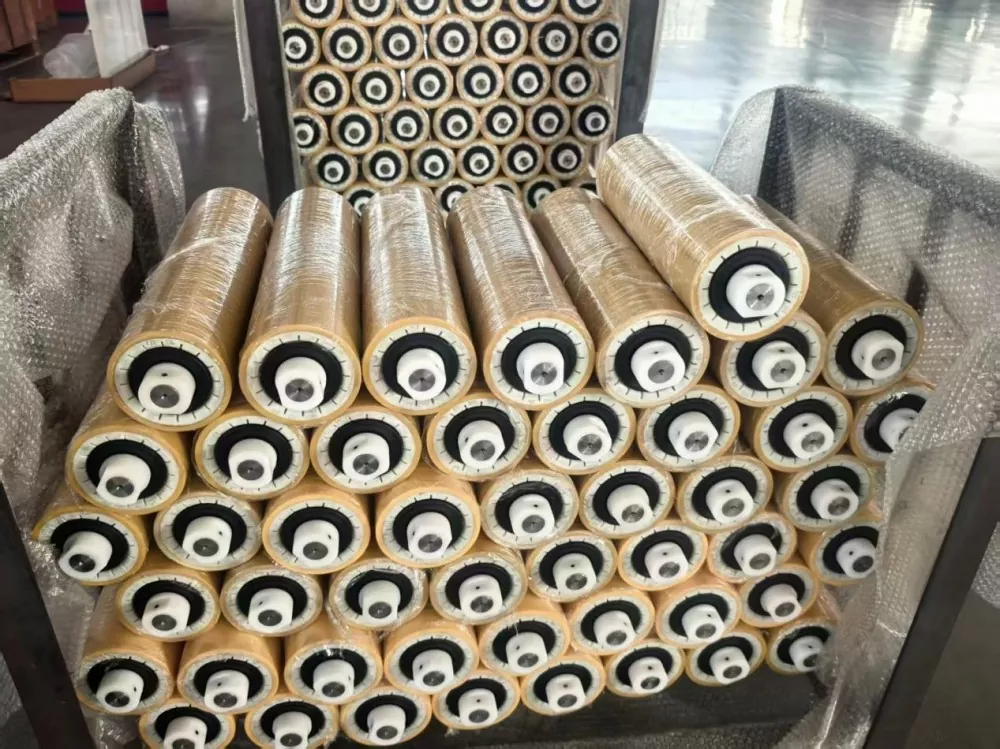
We pack idlers according to their size, quantity, and shipping method, with attention to protecting shaft ends and finished surfaces during transport. Export packing, item identification, and shipping documents can be arranged to match the agreed order requirements. Tell us your destination and preferred delivery terms when requesting a quotation.
Yes. Send the drawing or sample details, including all critical mounting dimensions, and we will review production feasibility.
The choice depends on load, operating environment, handling requirements, and the conveyor design. Share the application details so we can recommend an appropriate option.
Yes. We can discuss individual rollers as well as assemblies with frames, subject to the required design.
Please provide the roller diameter, face length, overall shaft length, shaft-end shape and dimensions, bearing or part number if known, and photos or a drawing.
A self-aligning idler may help in a suitable location, but mistracking can also result from off-center loading, buildup, structural alignment, or belt issues. The cause should be checked before selecting a remedy.
No. Service life varies with load, speed, material, contamination, installation, and maintenance. We can discuss the operating conditions when selecting a specification.
Address
Echeng District, Ezhou City, Qingdao Province, China
Tel