As the "main logistics artery" in industrial production, heavy-duty conveyor belts often face harsh working environments, bearing tremendous impact and tension. To ensure the safe and stable operation of the equipment and extend its service life, the following precautions must be strictly observed during daily use:
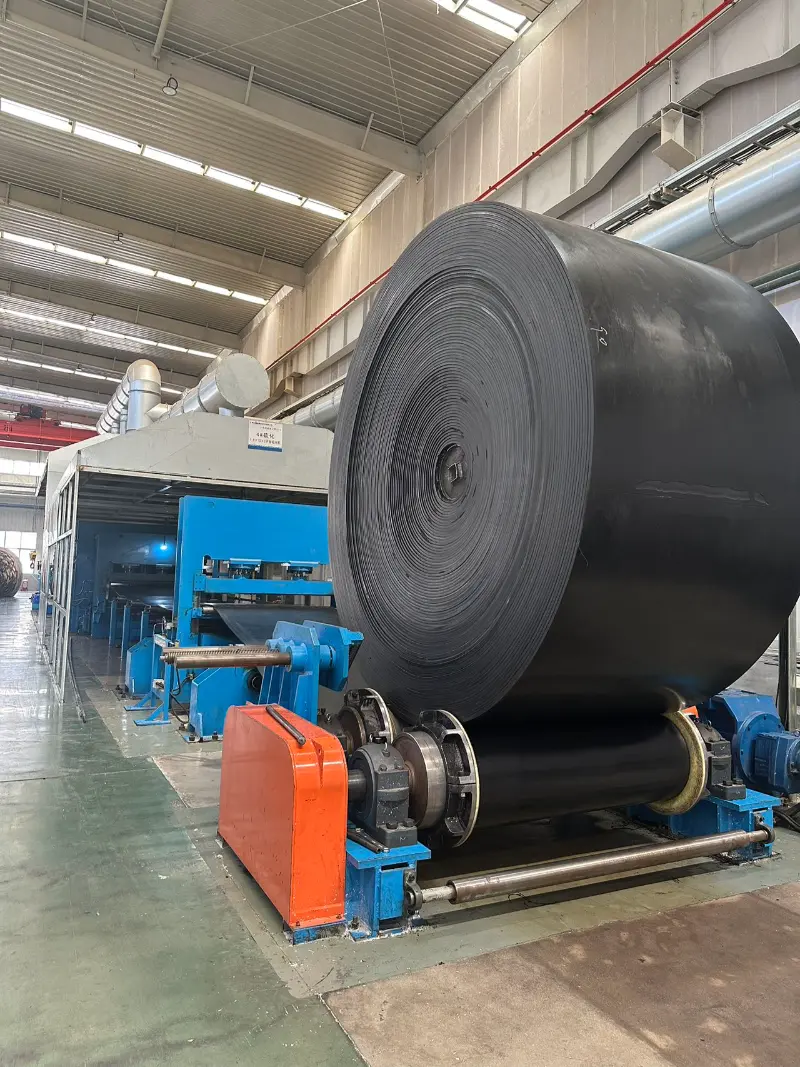
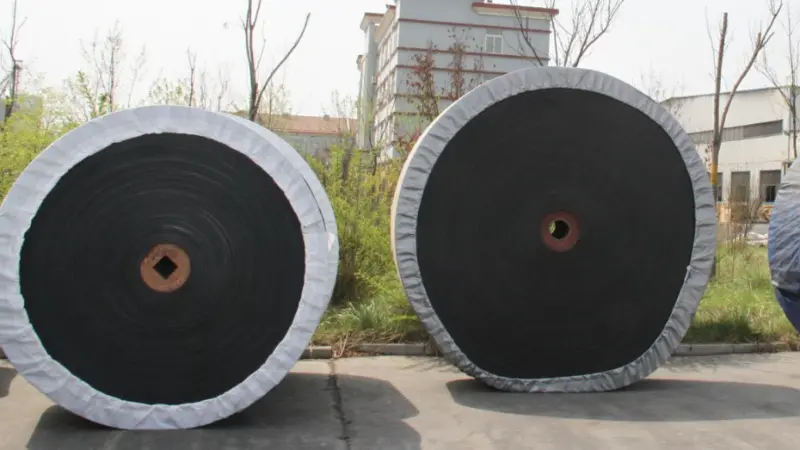
During the transportation and loading/unloading of the conveyor belt, forklifts or cranes should be prioritized for smooth lifting. It is strictly forbidden to wrap the rope directly around the belt coil for lifting to avoid strangulating the edges. If rolling handling is required, the floor must be clean and level, and the rolling direction must match the tape winding direction to prevent the tape from loosening. During storage, the warehouse temperature should be maintained between -15°C and 40°C, with relative humidity controlled between 50%-80%. Conveyor belts must be placed in rolls, with no folding allowed. Direct sunlight, rain and snow exposure, and keep away from heat sources and corrosive substances such as acids, alkalis, and oils. For conveyor belts stored long-term, it is recommended to turn them over once every quarter.
Before starting the equipment, operators must perform a "three-step" inspection: confirm that fasteners are secure, key components (chain plates, chains, etc.) are not excessively worn, and safety protection devices are intact. When starting, always start without load; forced operation with load is strictly prohibited to prevent motor overload or damage to the conveyor belt from slipping. During equipment operation, any cleaning of debris or maintenance work is strictly prohibited; If any abnormal conditions such as drifting or abnormal noises are detected, the machine should be stopped immediately for inspection. Before shutting down the machine, in principle, all materials on the conveyor belt should be completely unloaded.
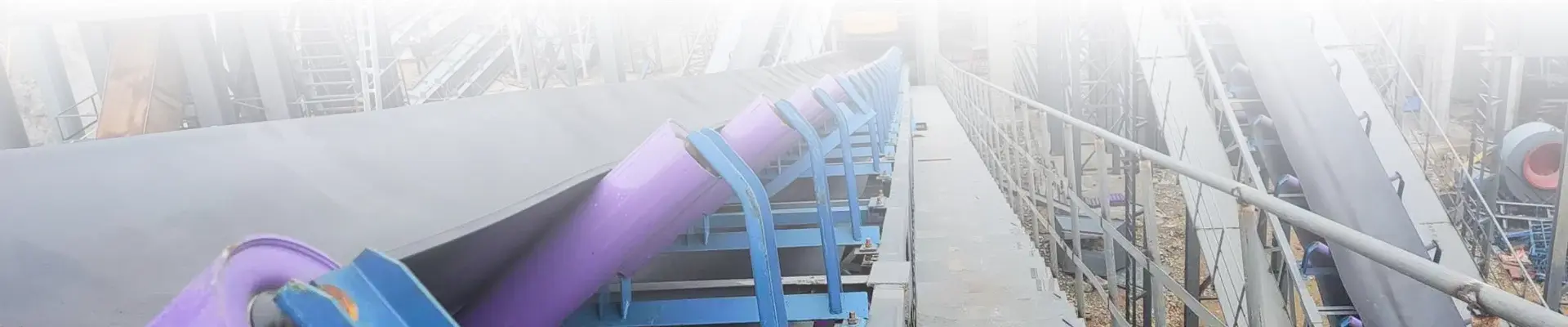
Proper feeding is key to protecting the conveyor belt. The feeding direction should align with the conveyor belt running direction, minimizing material drop and preventing large, sharp materials from falling directly from heights that could cause breakdown or tearing. It is recommended to install a buffer idler set in the receiving section to absorb impact energy, and to let the fine powder form a cushion layer before loading the blocks. In addition, the diameter of the drive drum, the groove angle of the rollers, and the length of the transition section must match the specifications of the conveyor belt. An excessively small drum diameter or improper groove angle can cause excessive bending stress on the belt body, severe edge wear, or even longitudinal fracture.
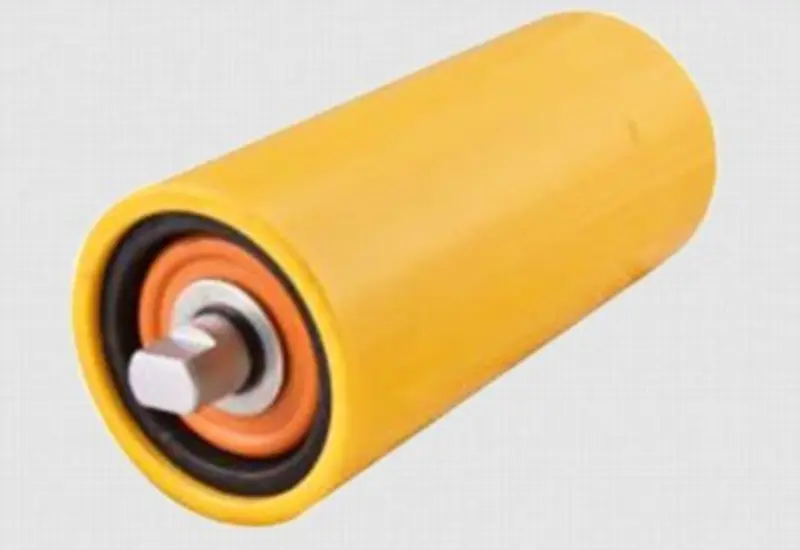
Regular maintenance is an effective way to prevent accidents. Dust and material leakage on equipment surfaces should be cleaned promptly daily to prevent materials from getting stuck between the drum and the tape; Grease is regularly applied to idlers and other moving parts to ensure smooth rotation. Any local damage should be repaired promptly to prevent further damage. Enterprises should also develop comprehensive safety training and emergency response plans to enhance operators' professional skills and emergency response capabilities, thereby ensuring the efficient and safe operation of the entire conveyor system.