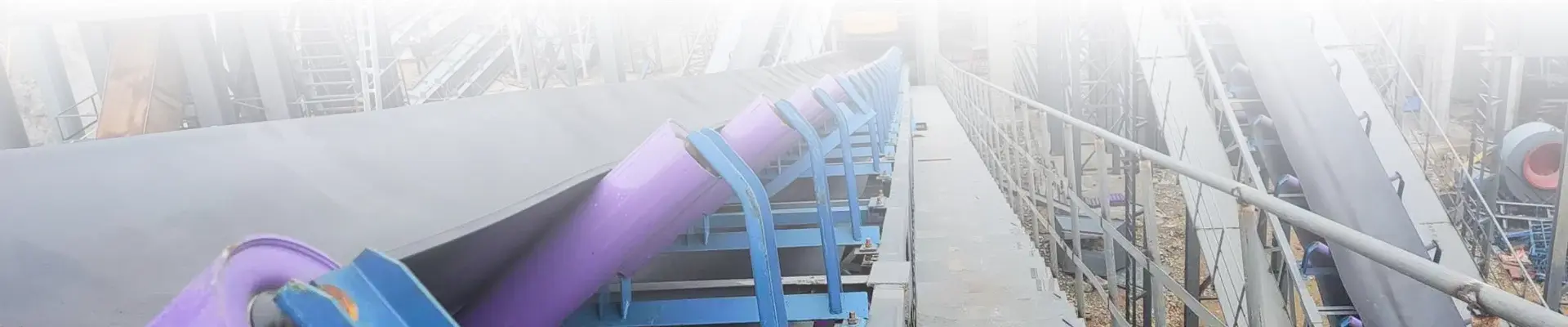
Even with the selection of the most suitable conveyor belt, operational faults are difficult to eliminate entirely in practice. Mastering the troubleshooting methods for common issues is key to ensuring continuous production.
Fault 1: Belt Misalignment (Tracking) This is the most frequent issue, characterized by the conveyor belt deviating to one side from the centerline during operation.
Improper Installation: The axes of the drive pulley, bend pulley, or idlers are not perpendicular to the conveyor centerline.
Uneven Tension: Inconsistent tension on both sides of the belt causes it to track toward the tighter side.
Off-center Loading: The material drop point is not centered, resulting in uneven impact force.
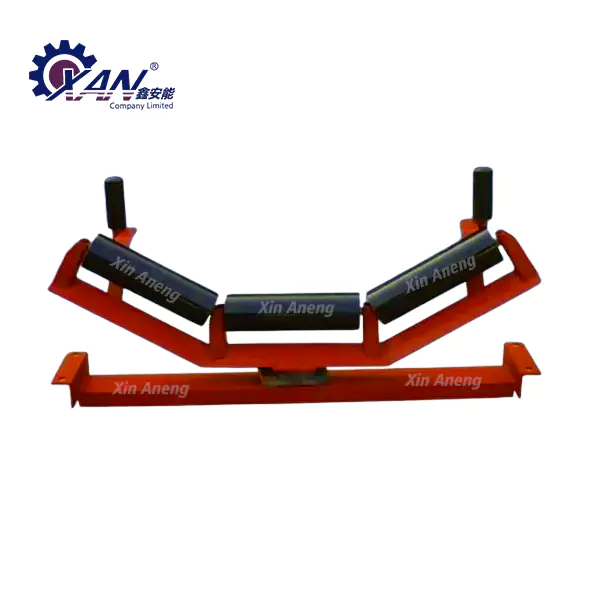
Adjust Idlers: If the belt drifts to the right, move the right-side idler forward in the direction of belt travel, or move the left-side idler backward.
Calibrate Pulleys: Adjust the position of the pulley bearing blocks to ensure their axes are perpendicular to the conveyor centerline.
Correct Loading: Adjust the chute or baffle plates to ensure materials land at the center of the belt.
Fault 2: Belt Slippage This occurs when the drive pulley rotates, but the conveyor belt moves slowly or remains stationary.
Insufficient Tension: The belt is too loose, resulting in inadequate friction between the belt and the drive pulley.
Overloading: The weight of the conveyed material exceeds the design capacity.
Pulley Surface Issues: Oil, water, or material buildup on the pulley surface reduces the coefficient of friction.
Increase Tension: Adjust the take-up device (e.g., gravity take-up or screw take-up) to increase the initial tension appropriately.
Control Load: Avoid overloading and ensure operation within the rated load limit.
Clean Pulleys: Remove buildup from the drive pulley surface. If necessary, apply rubber lagging to improve friction.
Fault 3: Wear and Tearing Scratches, holes, or even longitudinal tears appear on the belt surface.
Material Impact: Sharp, hard materials fall from a height, impacting and scratching the belt surface.
Foreign Object Jamming: Iron debris or foreign objects get jammed in the chute or idlers, cutting the belt.
Component Damage: Worn-out idlers or sharp edges of the frame rub against the belt.
Install Protection Devices: Install impact beds or anti-tear nets at the loading point to mitigate material impact.
Timely Repair: For small scratches or holes, use professional cold vulcanizing compounds and repair strips for on-site repair to prevent further damage.
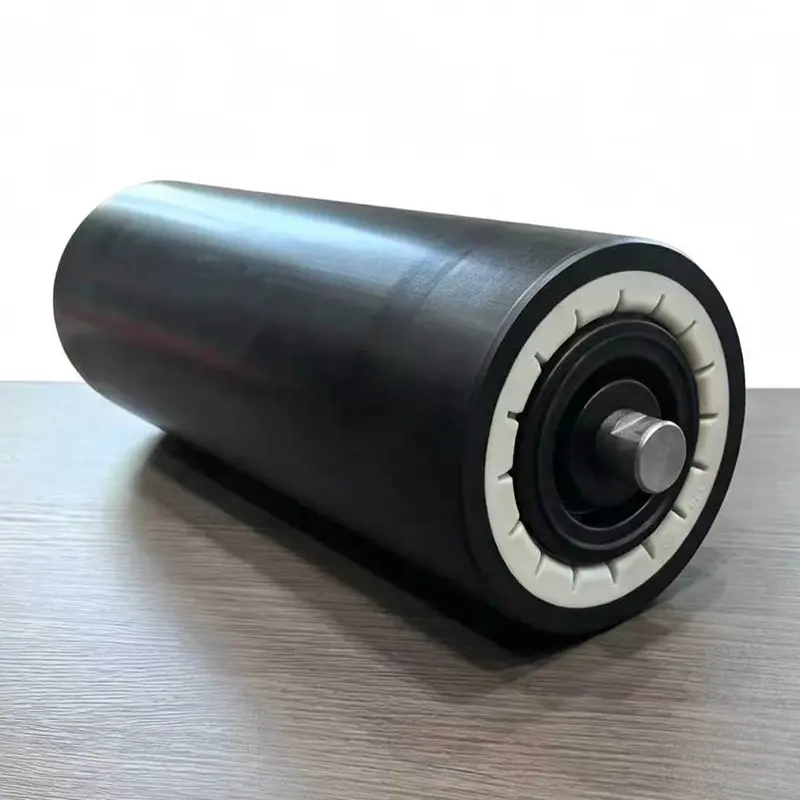
Replace Components: Regularly inspect and replace damaged accessories such as idlers and scrapers.
Preventive Maintenance: The Key to Reducing Failure Rates Instead of "firefighting" after a failure occurs, establishing a robust preventive maintenance system is crucial.
Daily Inspection: Observe whether the belt is tracking correctly, listen for abnormal noises, and check for visible surface damage.
Weekly Checks: Verify that the tension is appropriate and clean accumulated material off pulleys and idlers.
Periodic Servicing: Lubricate moving parts such as bearings and perform wear measurements on critical components.