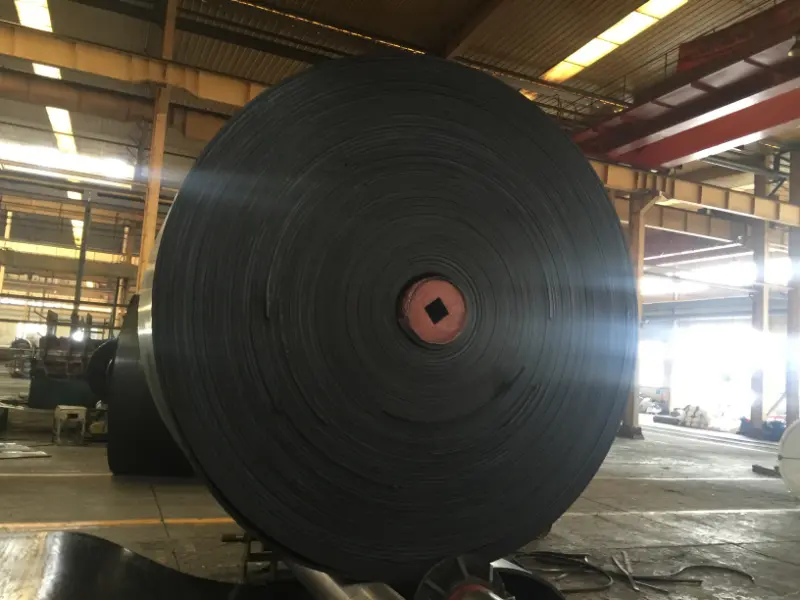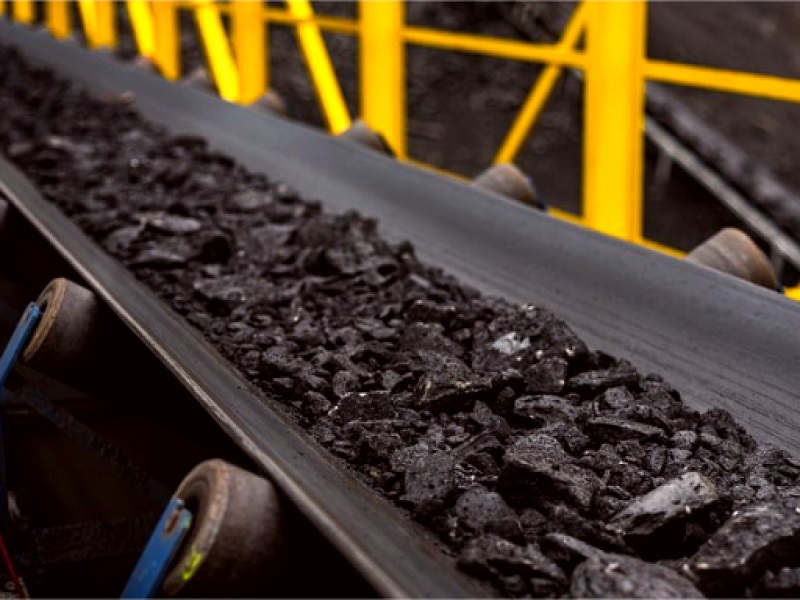
Heat resistant conveyor belts are mostly used in high-temperature working conditions such as cement, metallurgy and coking, where materials feature high temperature and strong impact. The quality of installation directly affects their service life and operational safety. Only through standardized installation and careful operation can failures such as belt deviation, cracking and delamination be avoided, ensuring stable and efficient operation of the conveying system.
Adequate preparations shall be made before installation. First, check and verify the model, length, width and heat resistance grade of the conveyor belt to ensure they match the equipment. Inspect the belt surface for defects such as damage, blistering and missing rubber. At the same time, clean up dust, welding residues and debris on drums, idlers and frames to keep the contact surfaces smooth and burr-free, preventing scratches on the belt surface under high-temperature conditions. Check the levelness and verticality of the frame, and adjust it to be symmetrical to prevent long-term belt deviation caused by frame misalignment.
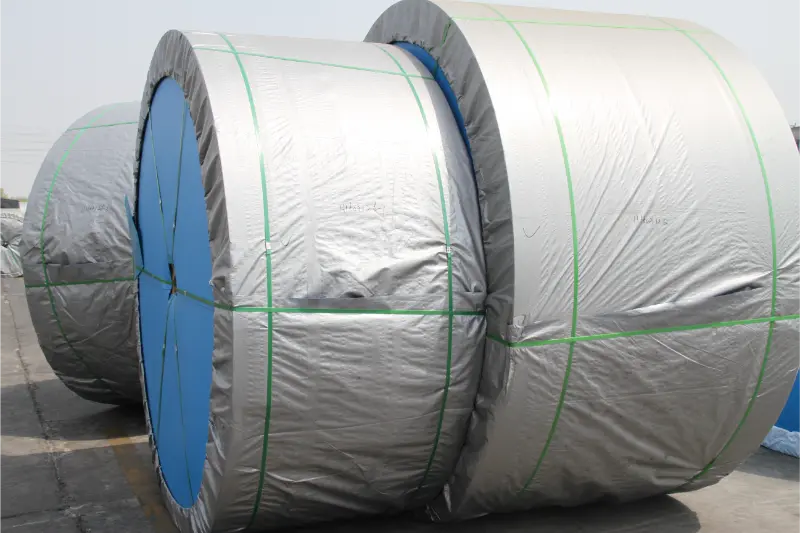
Standardized operation is required during installation. The belt joint is a critical part. A proper joining method shall be selected according to the belt type. For rubber heat resistant belts, hot vulcanization joints are preferred to ensure joint strength and heat-resistant sealing. Random use of cold-bonded joints in high-temperature environments is strictly prohibited. Special slings shall be used for hoisting the belt to avoid direct damage from steel wire ropes. Forcible dragging or twisting of the belt is prohibited to prevent damage to the carcass layer. Maintain moderate belt tension during installation: excessive tension intensifies drum wear and increases energy consumption, while insufficient tension easily causes slipping and deviation. Pre-tension shall be set in accordance with equipment requirements.
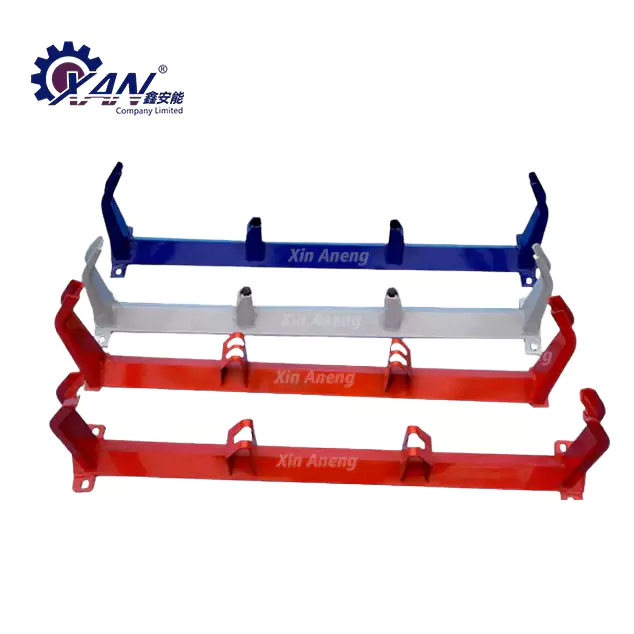
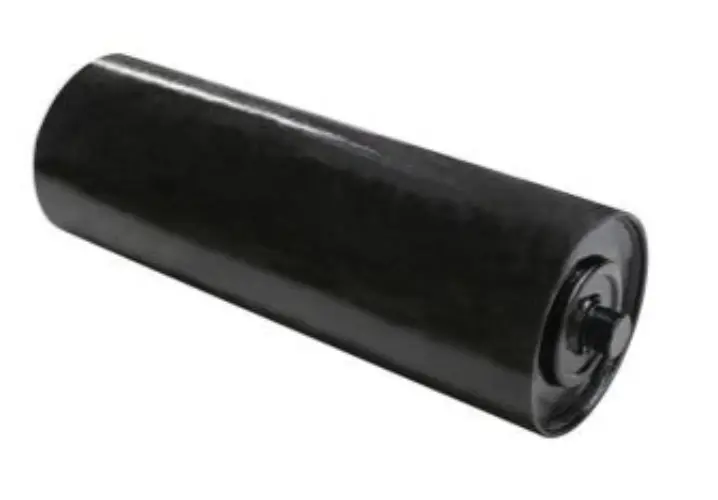
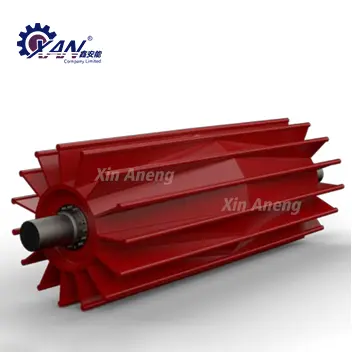
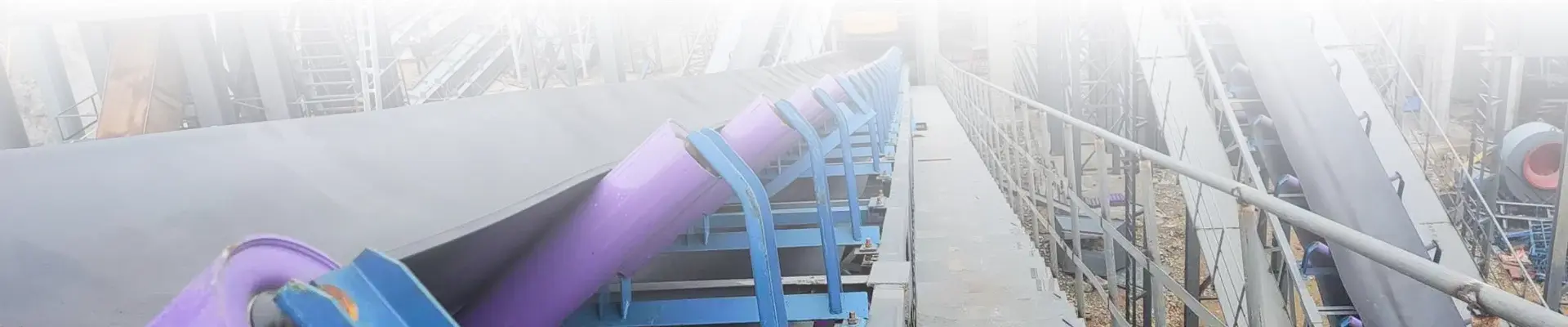
The installation and adjustment of drums and idlers are crucial. Ensure that the drive drum and bend drum are horizontal and parallel, and that idlers rotate flexibly. The center lines of all drums shall be perpendicular to the frame center line. If the drum surface is rubber-lagged, inspect its integrity and replace any damaged parts in a timely manner to avoid uneven friction damaging the belt at high temperatures. Uniform spacing and smooth rotation of idlers effectively reduce running resistance and minimize local overheating and wear of the belt.
No-load and load commissioning must be carried out after installation. First run the system without load to observe whether the belt deviates or produces abnormal noise, and adjust the positions of drums and idlers to correct deviation in time. Then gradually add materials for trial operation under load, focusing on checking for belt slipping, jitter and joint deformation. During the initial operation of the heat resistant conveyor belt, control material temperature and flow rate to avoid extreme high-temperature impact immediately after installation.
Daily maintenance is also essential. Keep the belt clean and prevent high-temperature materials from accumulating on the belt for a long time to avoid local overheating and aging. Regularly inspect the joints, tensioning devices and idlers, and address any problems promptly. With standardized installation, scientific commissioning and careful maintenance, the performance of heat resistant conveyor belts can be fully utilized, their service life prolonged, and continuous and safe operation in high-temperature conveying conditions guaranteed.