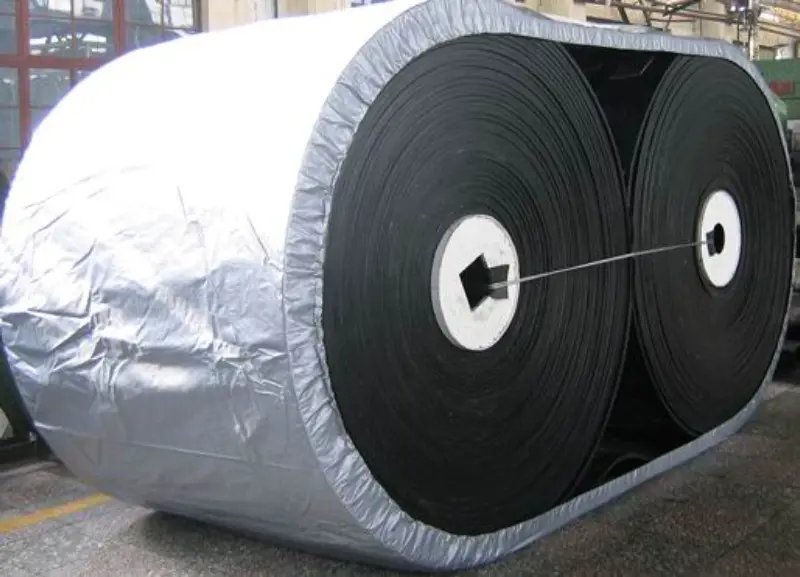
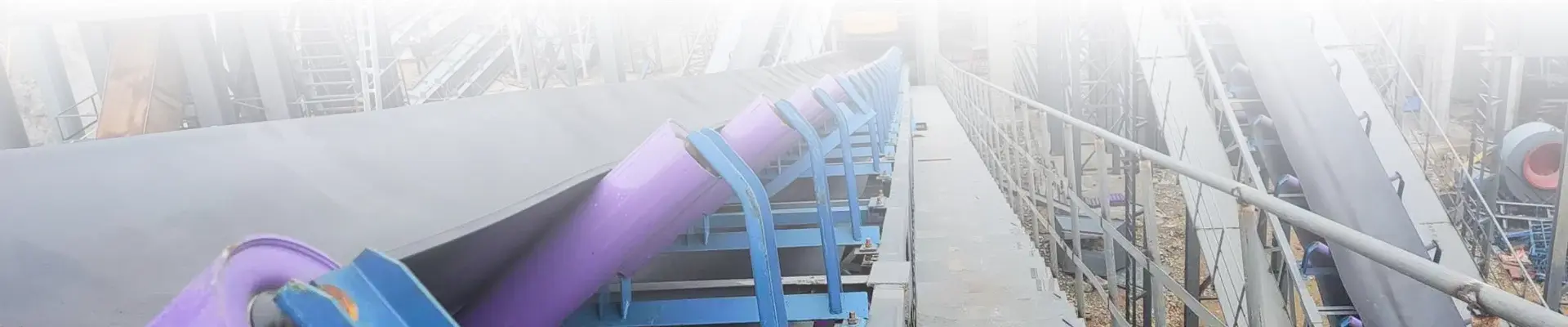
In the grand development of modern industry, if factories and equipment are the bones and muscles, then industrial conveyor belts are the tireless "blood" that runs through it all. They may seem ordinary, but they carry everything from huge rocks in mines to delicate chips, serving as the stable and efficient foundation of automated production lines.
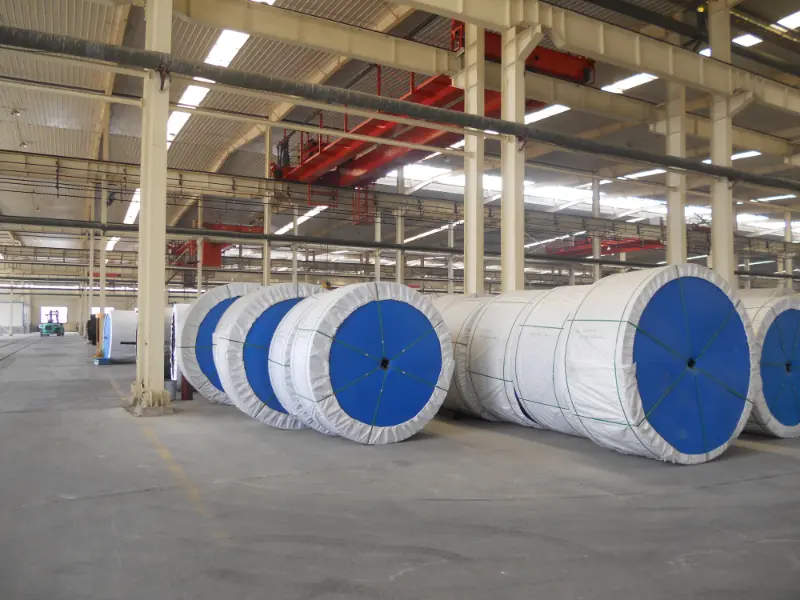
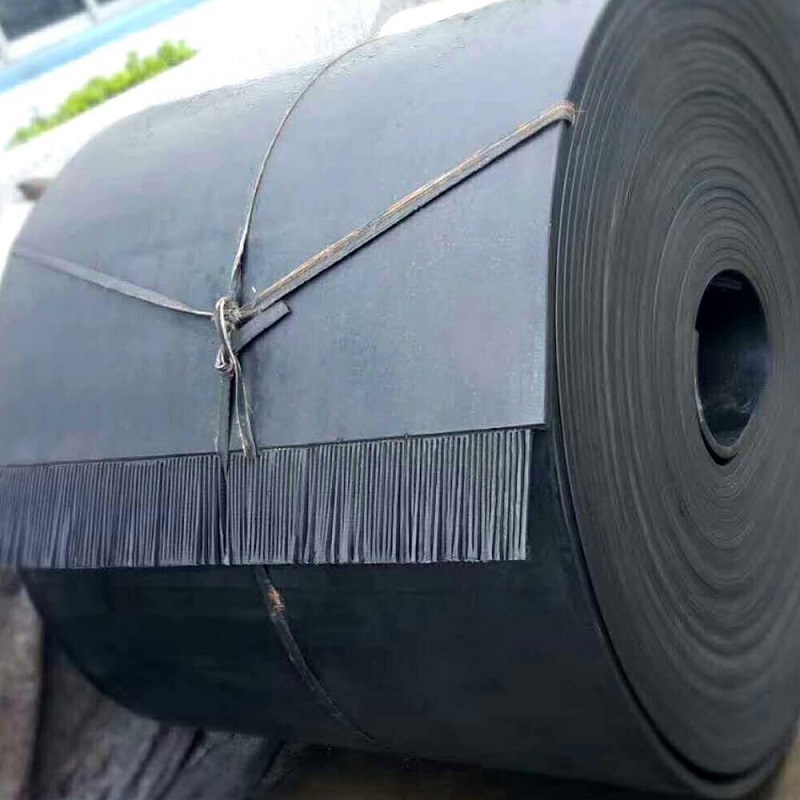
Industrial conveyor belts are essentially continuous conveying devices driven by a drive roller and running in a loop. Their strength lies in their precise composite structure: the "covering layer" that directly contacts the materials is usually made of wear-resistant rubber or high-molecular materials, like tough skin; while the "core layer" inside is composed of canvas, nylon or high-strength steel wire ropes, providing the belt with astonishing tensile strength, enabling it to carry several tons of ore without breaking. It is precisely this design of being wear-resistant on the outside and strong on the inside that allows it to adapt to various harsh industrial environments.
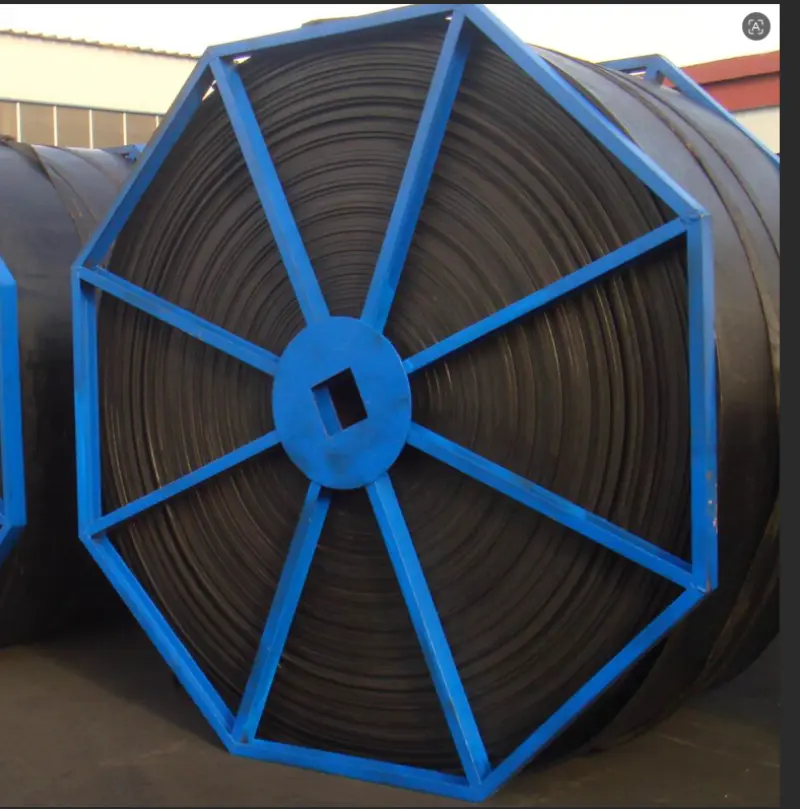
There are numerous types of industrial conveyor belts, each tailored to specific working conditions. In heavy-duty fields such as mines and ports, steel cord rubber belts are the top choice, with their extremely high strength and impact resistance, capable of easily handling the long-distance transportation of large rocks. In light industrial scenarios such as food processing and electronics manufacturing, lightweight belts made of safe, environmentally friendly, and green PVC or PU materials are more suitable. They are not only lightweight and clean but also meet strict hygiene standards such as FDA. Additionally, for high-temperature cement clinker, there are heat-resistant conveyor belts; for inclined transportation, there are specialized belts with patterns on the surface or side guards. Choosing the right conveyor belt can significantly enhance efficiency and save time in your work.
Industrial conveyor belts are almost everywhere in various transportation scenarios. At the loading docks of ports, giant conveyor belts several meters wide extend like long dragons, continuously sending coal and ore into the ship's hold; in the assembly lines of car factories, precise conveyor lines deliver engines, car bodies, and other components to workstations on time, ensuring that the production rhythm is not a second off; in the logistics sorting centers of e-commerce, high-speed belt systems, in conjunction with automatic scanning and sorting devices, handle millions of packages every day. They are not only material handlers but also the "metronome" of the production process, seamlessly connecting each independent process through precise speed control to form an efficient and coordinated whole.
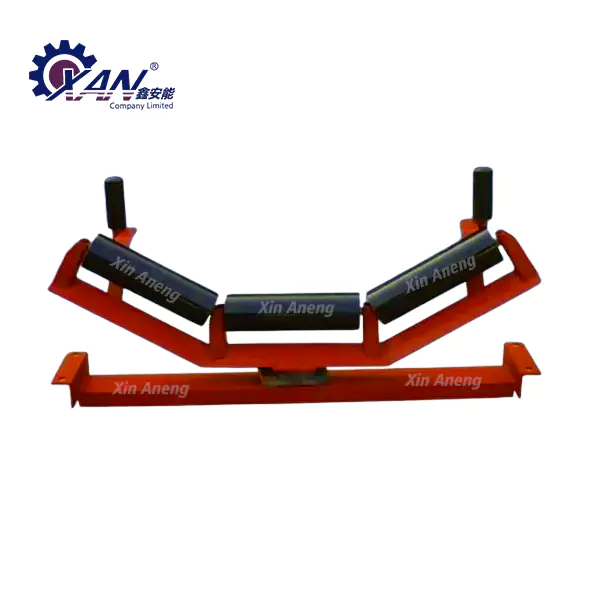
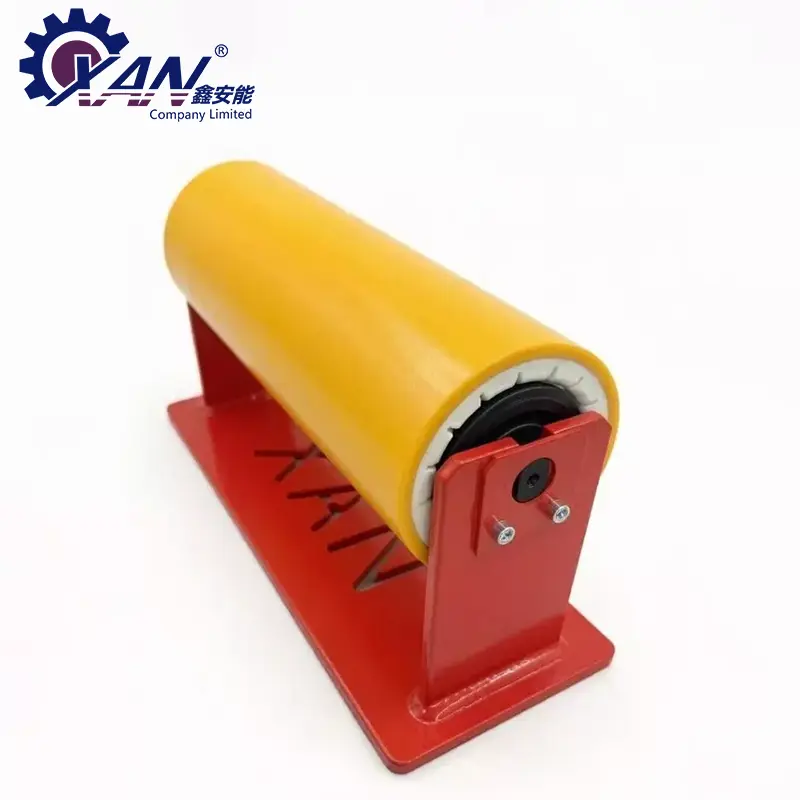
However, even the most powerful equipment cannot do without scientific maintenance. During long-term operation, conveyor belts may encounter problems such as deviation, slippage, wear, and even tearing. Therefore, regular inspections, adjustments of tension, and maintenance of accessories such as idlers and rollers are crucial. A minor oversight can lead to the entire production line coming to a halt, causing significant economic losses. It can be said that the level of maintenance of conveyor belts directly reflects an enterprise's ability to manage in detail.