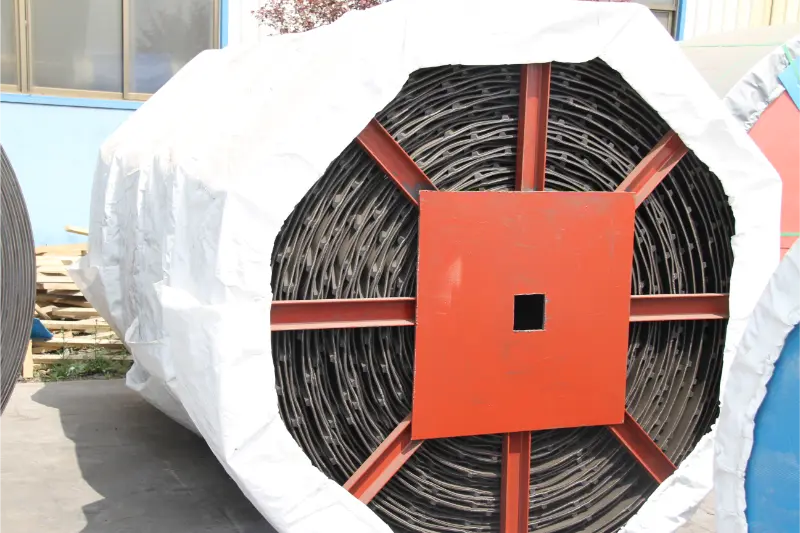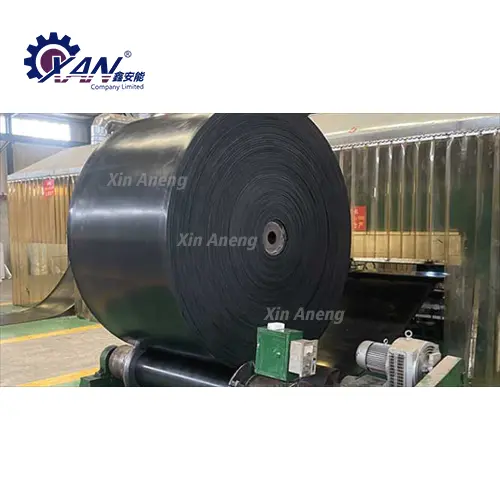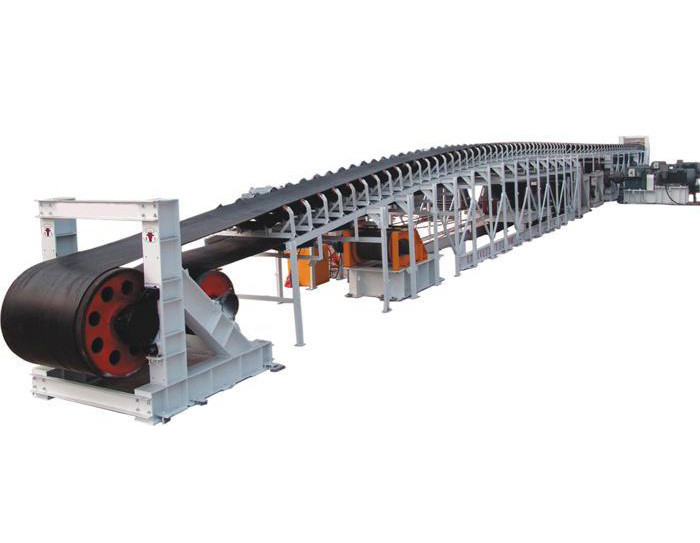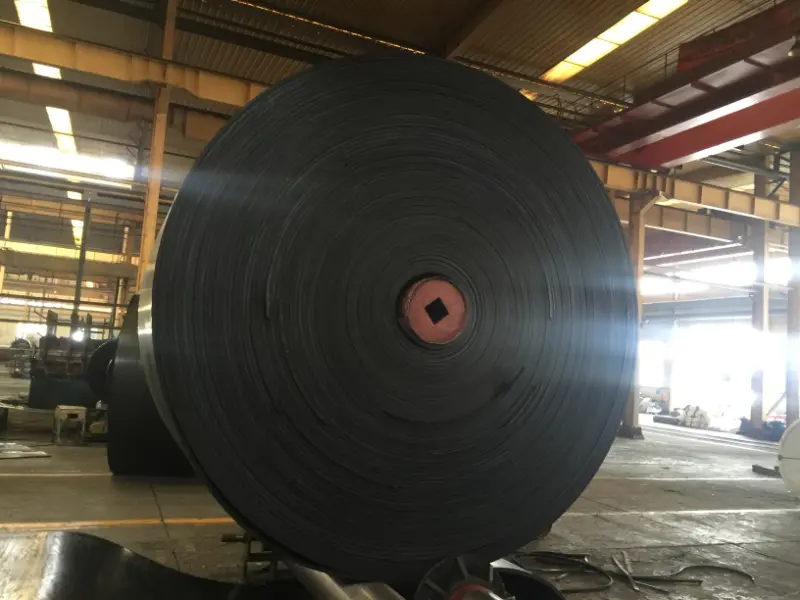
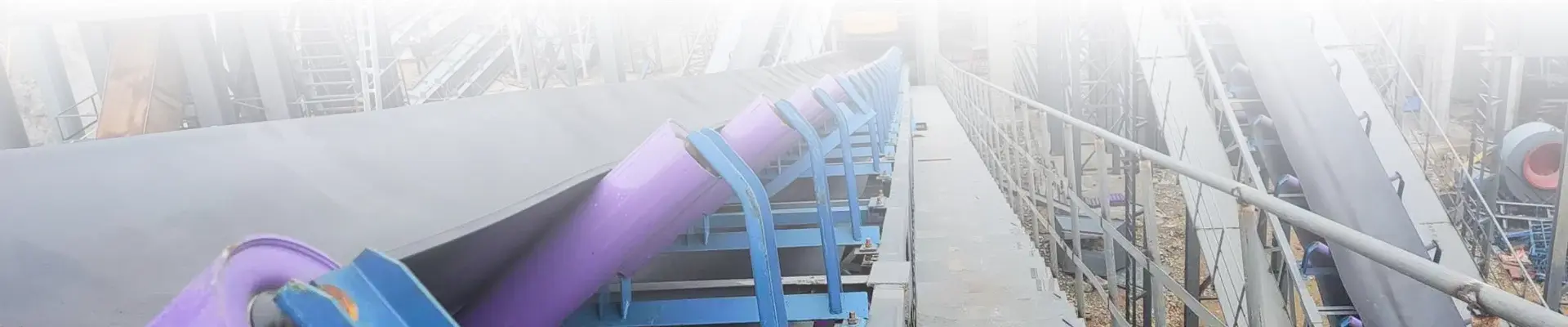
Chevron belts are key components in industrial conveying and transmission systems. Featuring anti-slip, wear-resistant and large-angle conveying properties, they are widely used in mining, building materials, grain, logistics and automated equipment. Correct installation is the foundation to ensure stable belt operation, extend service life and prevent malfunctions. Standard procedures and detailed operations must be strictly followed during installation to guarantee efficient and safe equipment operation.
Comprehensive inspection and preparation shall be completed before installation. Verify that the belt model, width, pattern direction and tooth specifications match the equipment requirements. Check the belt for cracks, deformation, aging and damage to the inner framework. Meanwhile, clean up oil stains, sundries and burrs on the surfaces of rollers, idlers, pulleys and racks to ensure smooth and clean contact surfaces. Measure the installation distance, and adjust the levelness and parallelism of rollers and frames to prevent belt deviation during operation.
Special attention shall be paid to keeping the pattern direction consistent with the running direction during installation. The tip of the chevron pattern shall face the forward direction of material movement. Improper installation direction will reduce friction, cause material sliding and lower conveying efficiency. Do not drag, pull hard, twist or pry the belt with sharp tools, so as to avoid damaging the surface patterns, base belt and internal structure, which may lead to early cracking. Place the belt in a natural unfolded state and avoid excessive bending.
Belt tension adjustment is a core step. An over-loose belt will cause slipping, jitter and insufficient transmission power, while an over-tight belt will increase motor load, accelerate wear of bearings and pulleys, and even cause belt breakage. Adjust the tensioning device slowly during commissioning, and keep the belt free from slipping and obvious shaking during operation. For toothed chevron belts, ensure correct tooth meshing without dislocation or half-tooth engagement.
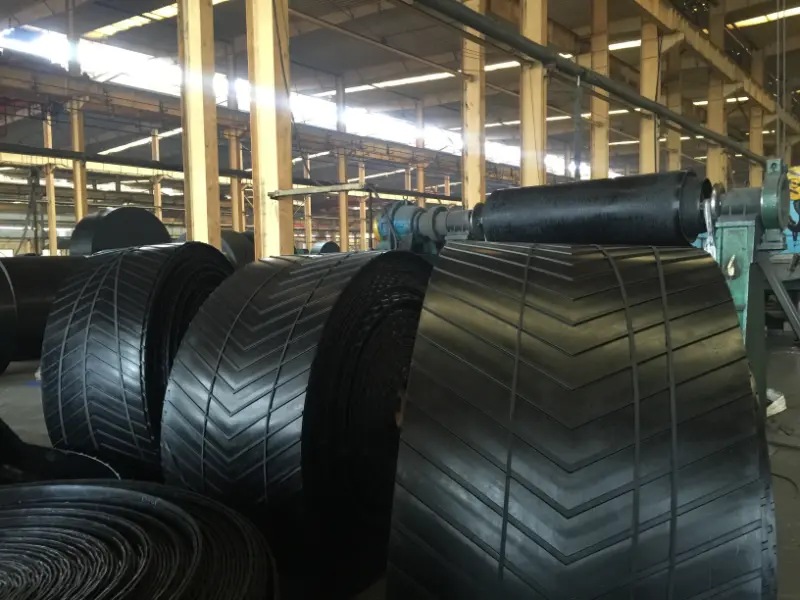
After installation, conduct centering and deviation correction. Confirm the belt is centered on rollers and idlers. Run the equipment under no-load conditions for a period of time and check for deviation. Adjust the roller position or idler angle in a timely manner if offset occurs, so as to ensure stable operation without edge scraping or friction with the frame. In addition, check and install protective covers and safety devices to eliminate potential safety hazards.
Attention should also be paid to the service environment. Chevron belts shall be kept away from long-term sunlight exposure, strong acids, alkalis, oil pollution and high-temperature heat sources to prevent aging and deterioration. For low-temperature, humid and dusty working conditions, select belts with corresponding weather-resistant materials and strengthen daily cleaning and maintenance.
Standard installation can effectively improve the working efficiency of chevron belts, greatly reduce failure rates and downtime, and prolong service life. Operators must follow specifications, focus on details and conduct scientific commissioning. Only by strictly abiding by installation precautions can chevron belts deliver optimal performance and provide reliable support for the stable operation of mechanical equipment.