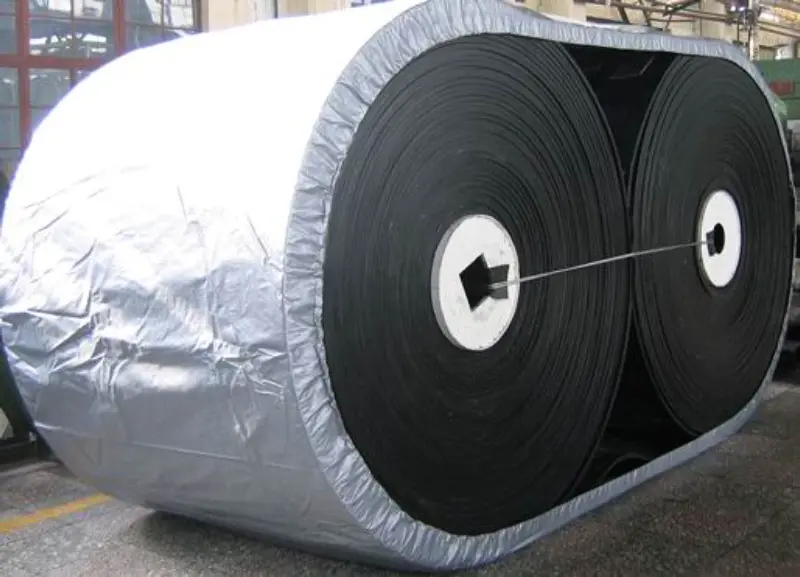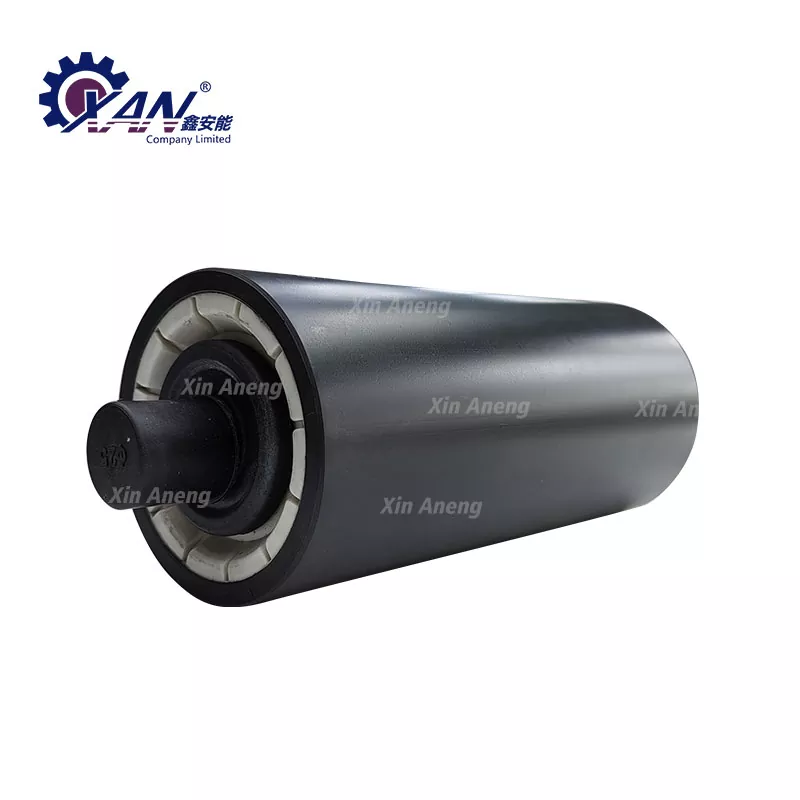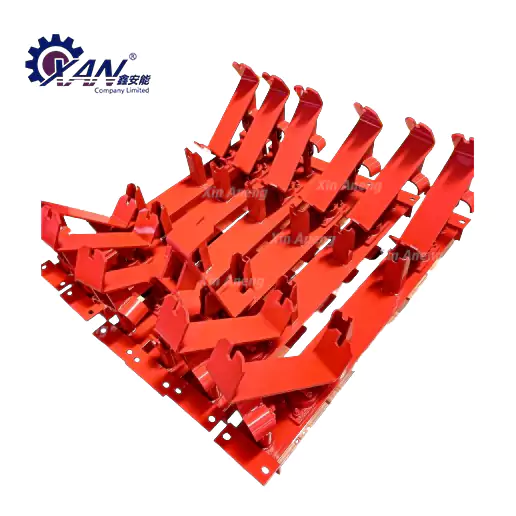
Selecting the right industrial conveyor belt is no easy task—it requires a comprehensive consideration of three core factors: material characteristics, production requirements, and site environment. A wrong choice can not only reduce production efficiency but also lead to safety hazards and additional maintenance costs.
You need to clearly understand what materials will be conveyed.
Weight & Size: For light, small items such as electronic components, lightweight narrow PVC belts are suitable; for heavy loads like automotive parts, high-load-capacity heavy-duty flat belts or steel cord belts must be chosen.
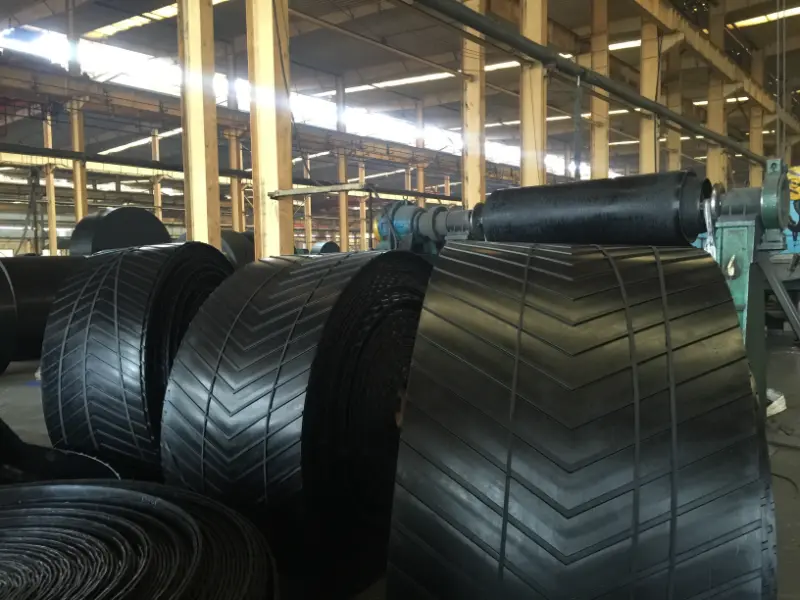
Shape & Nature: For bulk materials such as coal or grain, belts with baffles can effectively prevent spillage; for fragile items like cakes or glass, soft-surfaced, high-cushioning food-grade PU belts or mesh belts are recommended.
Special Requirements: In food and pharmaceutical industries, belts must comply with safety standards such as GB 4806 or FDA, ensuring they are non-toxic, odorless, and easy to clean; in electronics and semiconductor industries, anti-static belts are essential to protect sensitive components from electrostatic damage.
Output & Speed: High-output lines may require wider belts or dual-lane designs to increase throughput; high-speed sorting scenarios demand belts with excellent stability and wear resistance.
Precision Requirements: In automated assembly lines, positioning accuracy is critical. Timing belts (toothed belts), due to their precise meshing transmission, can achieve positioning accuracy up to ±0.05 mm, making them an ideal choice.
Temperature & Humidity: In high-temperature environments (e.g., baking, metallurgy), heat-resistant rubber or Teflon-coated belts must be used; in humid or oily conditions, hydrolysis-resistant and oil-resistant PU materials are preferable.
Space Layout: If workshop space is limited, compact Z-type or incline conveyors can be selected; if frequent directional changes are needed, specialized curved belt conveyors allow flexible turning from 30° to 180°.