In many fields such as industrial production, logistics and warehousing, and mining, conveyor belt systems are indispensable core equipment. Acting like an "industrial artery", they enable the continuous, efficient, and automatic transmission of materials, greatly reducing labor costs and improving operational efficiency. Many people are curious about the operational logic behind this seemingly simple "conveyor belt" that facilitates the continuous and stable transportation of materials.
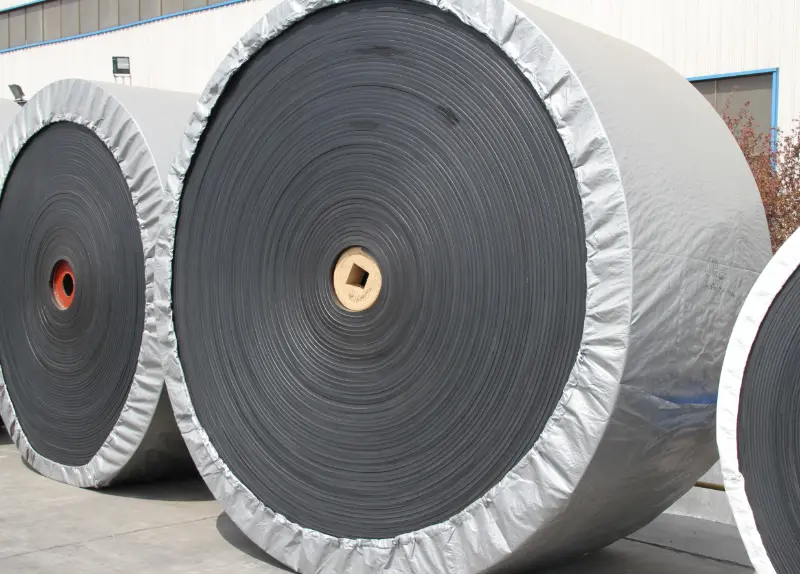
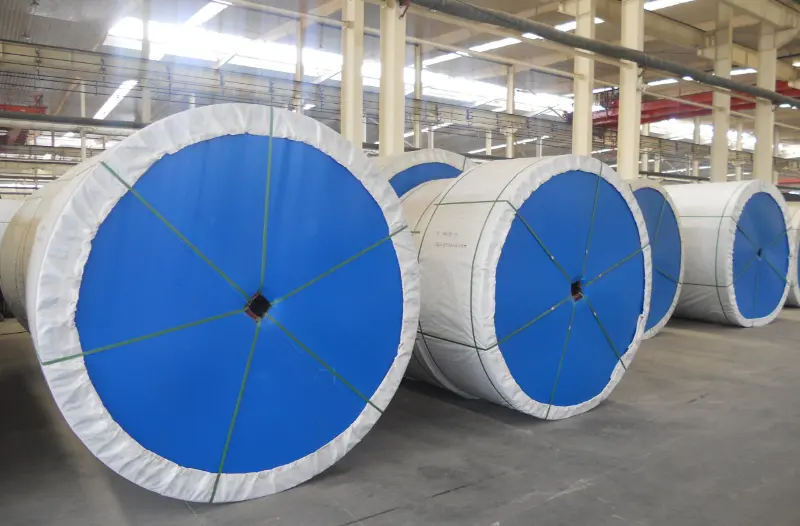
The operation of a conveyor belt system centers on the coordinated cooperation of "power drive + material bearing + precise control". It is mainly composed of six core components: the conveyor belt, drive device, idler, tensioning device, braking device, and control system. Each component performs its own function and works in tandem with the others to form a complete transmission closed loop. Among these components, the conveyor belt serves as the core carrier for bearing materials, typically made of wear-resistant materials such as rubber, canvas, and plastic. Depending on the weight, temperature, corrosiveness, and other characteristics of the materials being conveyed, different types of conveyor belt materials are selected to ensure durability and safety.
The drive device is the "power heart" of the conveyor belt system, mainly consisting of a motor, a reducer, and a drive drum. During operation, the motor outputs power, which is transmitted to the drive drum after being decelerated by the reducer. The drive drum then drives the conveyor belt to move at a constant speed through friction—much like how we use our hands to rotate a conveyor belt. The magnitude of this friction directly determines the operational stability of the conveyor belt and prevents slipping. To ensure the smooth transmission of power, the surface of the drive drum is usually treated with anti-slip measures to enhance its fit with the conveyor belt.
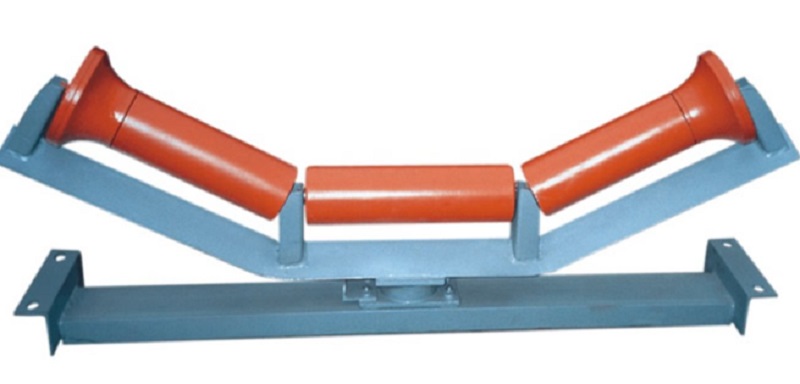
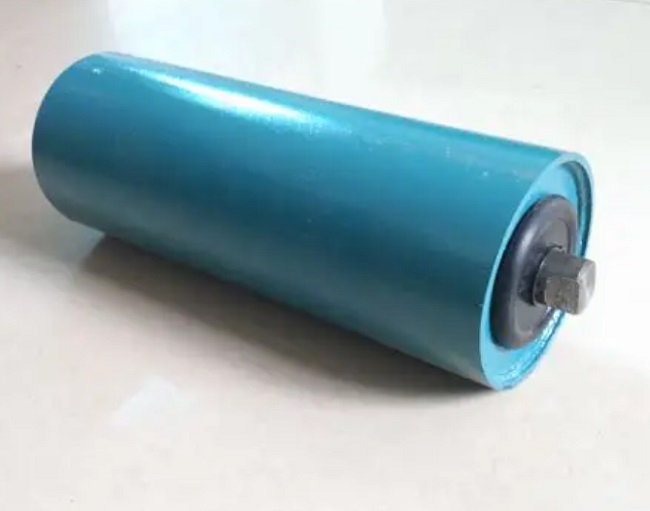
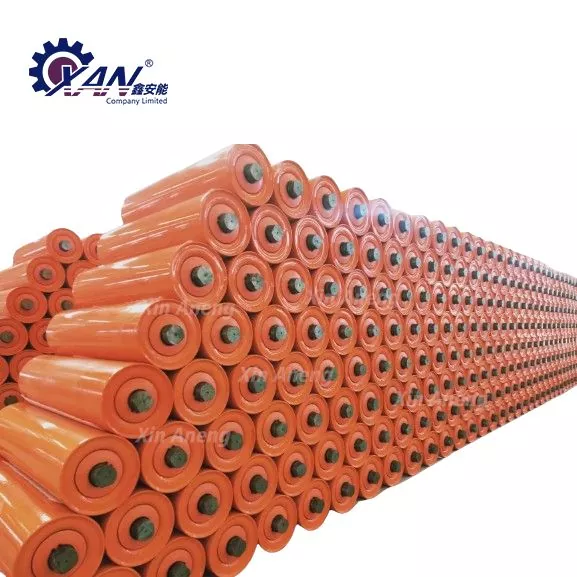
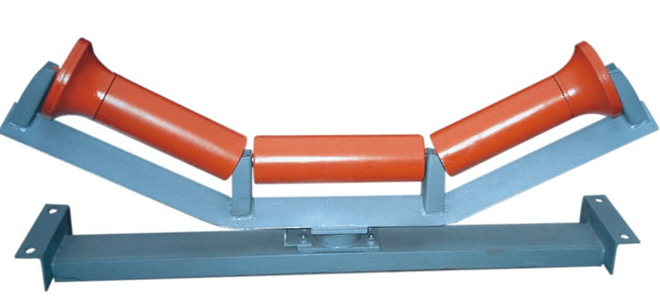
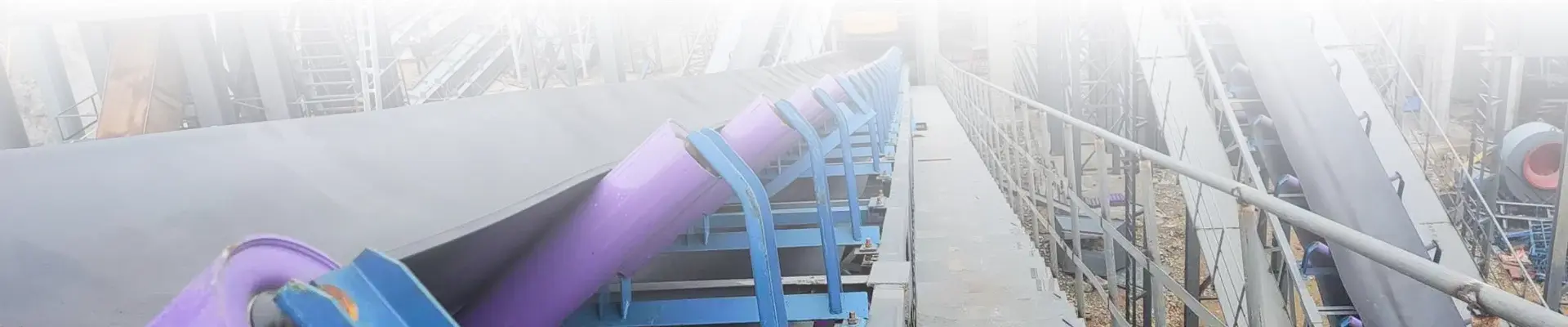
Idlers act as the "supporting skeleton" of the conveyor belt, evenly distributed beneath it. They support both the conveyor belt and the materials on it, reducing the belt’s sagging and wear while ensuring it runs smoothly at all times. Based on their different installation positions, idlers are divided into carrying idlers and return idlers. Carrying idlers support the upper part of the conveyor belt that holds materials, while return idlers support the unloaded lower part. These two types of idlers work together to enable the circular operation of the conveyor belt.
The tensioning device functions as the "stabilizer" of the conveyor belt system, whose role is to maintain the belt’s appropriate tension. As the conveyor belt stretches and loosens over long-term operation, the tensioning device continuously applies a certain pulling force to it through structures such as springs, weights, or lead screws. This not only prevents the conveyor belt from slipping due to looseness but also extends its service life. Meanwhile, the braking device is used to stop the conveyor belt in case of emergency. When abnormalities such as material blockage or equipment failure occur, the braking device activates quickly to prevent the accident from worsening.
The control system is the "brain" of the conveyor belt system, achieving automatic control of the entire system through PLC controllers, sensors, and other equipment. Operators can set the conveying speed and start-stop commands via the control panel, while the sensors monitor the conveyor belt’s operation status in real time. Once an abnormality is detected, the system immediately issues an alarm and triggers braking to ensure the safe and stable operation of the entire system.
In simple terms, the operation process of a conveyor belt system can be summarized as follows: the motor drives the drive drum, which in turn drives the conveyor belt to move through friction; the idlers support the conveyor belt to keep it flat; the tensioning device maintains its appropriate tension; and the control system provides real-time regulation. Together, these components ultimately realize the continuous transmission of materials from the starting point to the end point. From ore transportation in mines to package sorting in logistics warehouses, and even to production lines in factories, the conveyor belt system—with its efficient and stable operation mode—has become an indispensable piece of equipment in modern industrial civilization.