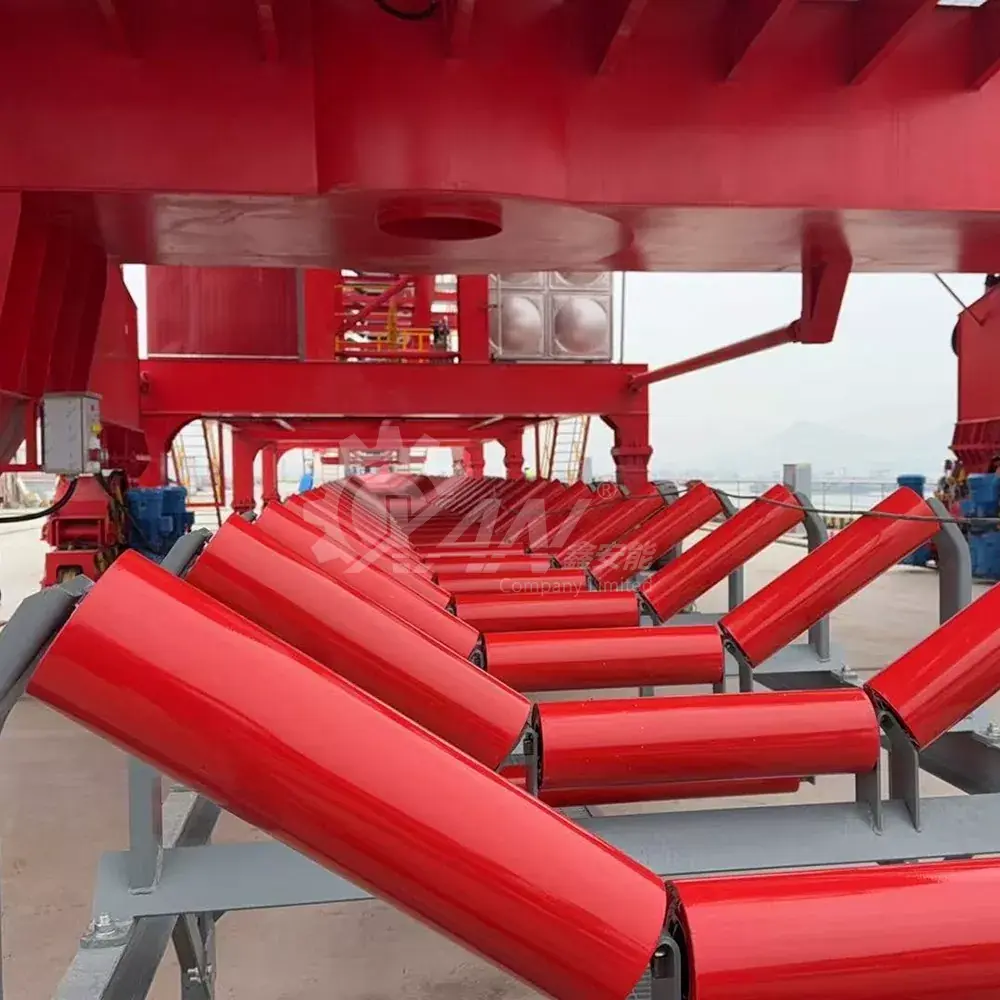
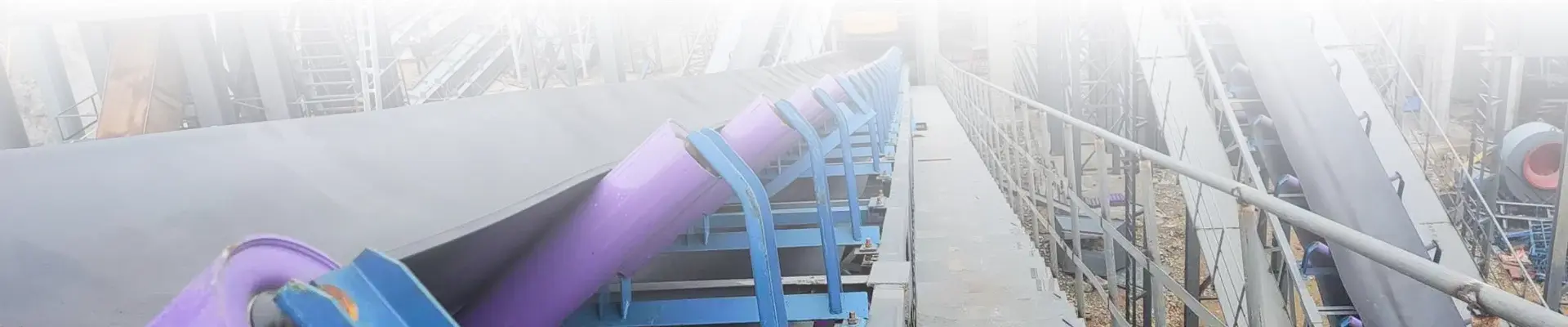
Idlers are the core supporting components of belt conveyors, widely used in conveying scenarios such as mines, ports, electric power, and building materials. Their operating status directly affects equipment stability, energy consumption, and the service life of the conveyor belt. Doing a good job in the daily maintenance of idlers can significantly reduce failure rates, extend service life, and ensure the continuous and efficient operation of the conveyor line.
Daily inspection is the first line of defense for idler maintenance, which should be carried out every shift and problems should be addressed immediately when found. Before starting the machine, check whether the idlers rotate flexibly and whether there are jamming, abnormal noise, or jumping phenomena; during operation, observe whether there are idlers that do not rotate or rotate slowly, mark them in time and handle them after shutdown. At the same time, check whether the surface of the idler is stuck with materials, deformed or damaged, whether the sealing cover is loose or falling off, and whether the bracket bolts are tightened. Seized or excessively worn idlers will accelerate the wear of the conveyor belt and cause hidden dangers such as deviation and tearing. Once problems are found, they must be replaced immediately to avoid the expansion of small faults.
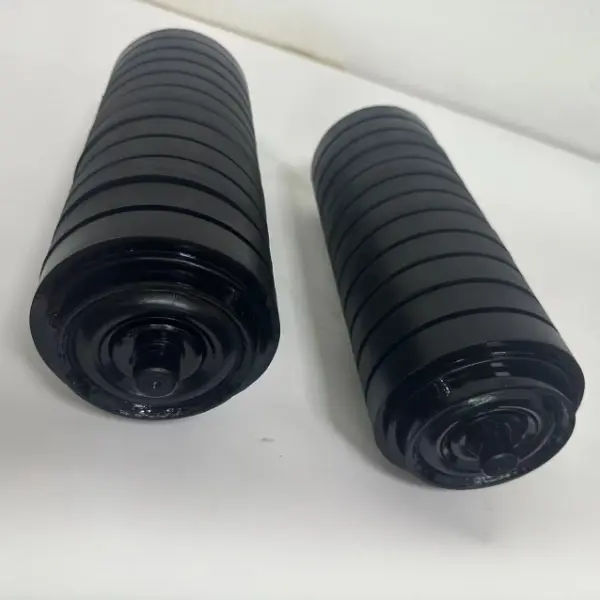
Cleaning and protection are key links to extend the service life of idlers. Dust, material debris, and muddy water are likely to enter the bearing cavity, damage lubrication, and wear seals. After each shift, it is necessary to clean the materials accumulated on the surface and around the idlers, and blow off the dust with compressed air. In humid and corrosive environments, anti-corrosion treatment should be done to prevent shaft rust and seal failure. Seals are the "protective shield" of idlers. If damage or aging is found, they should be replaced in time. Labyrinth seal structures should be preferred to improve dust and water resistance and reduce internal damage from the source.
Standardized lubrication is the core of idler maintenance. Lack of oil and improper lubrication of bearings are the main causes of idler failure. High-quality composite lithium-based grease should be regularly added according to working conditions. Oil should be added every 800 hours in light-load and conventional environments, and shortened to 500 hours in heavy-load, high-temperature, and dusty environments. Clean the oil nozzle before oil injection to avoid introducing impurities. The oil injection volume should be 1/2 to 2/3 of the bearing cavity; excessive oil injection is likely to cause excessive temperature rise and seal leakage. Monitor the temperature of the shaft end after lubrication, and immediately investigate if there is abnormal heating.
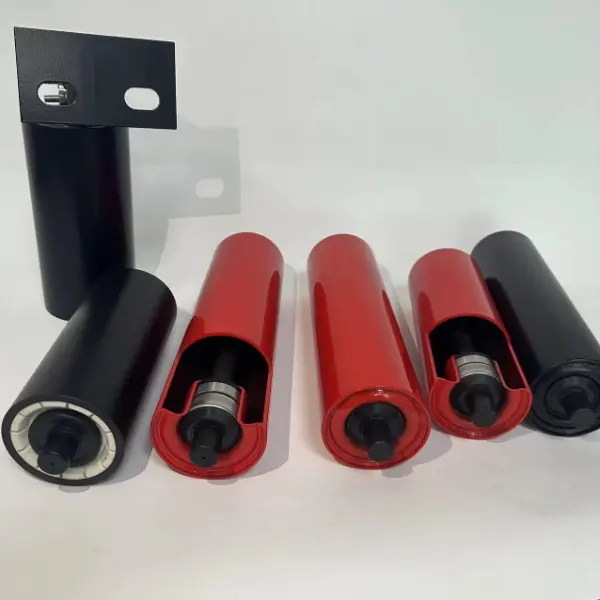
Regular maintenance and standardized replacement can further improve the maintenance effect. Conduct a comprehensive inspection of the coaxiality and installation angle of the idler group every week to prevent conveyor belt eccentric wear caused by deviation; spot-check the bearing status every month and clean up aged and deteriorated grease. When replacing idlers, select products of the same specification and high quality to ensure matching with the frame and conveyor belt. During installation, ensure concentricity and uniform force, and do not force assembly. Establish an idler usage account to record the replacement and lubrication time and realize preventive maintenance.
The maintenance of idlers lies in persistence and attention to details. Based on daily inspection, supported by cleaning and protection, and centered on standardized lubrication, combined with regular maintenance, it can not only reduce equipment operation and maintenance costs, but also improve the operation efficiency of the conveyor system, providing reliable support for continuous production.