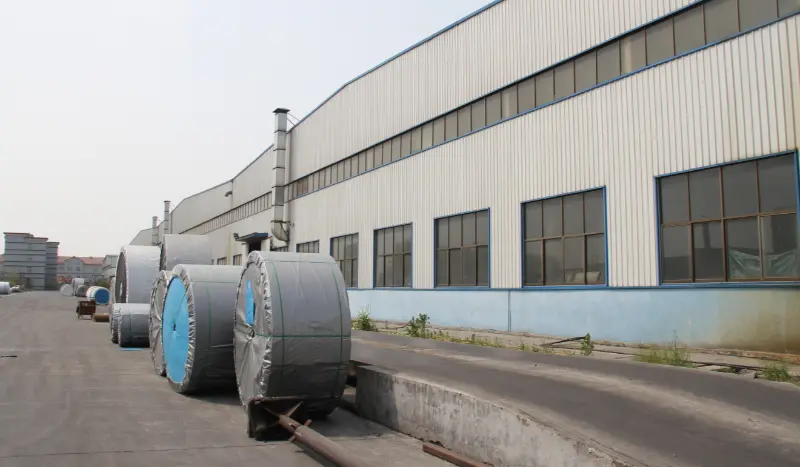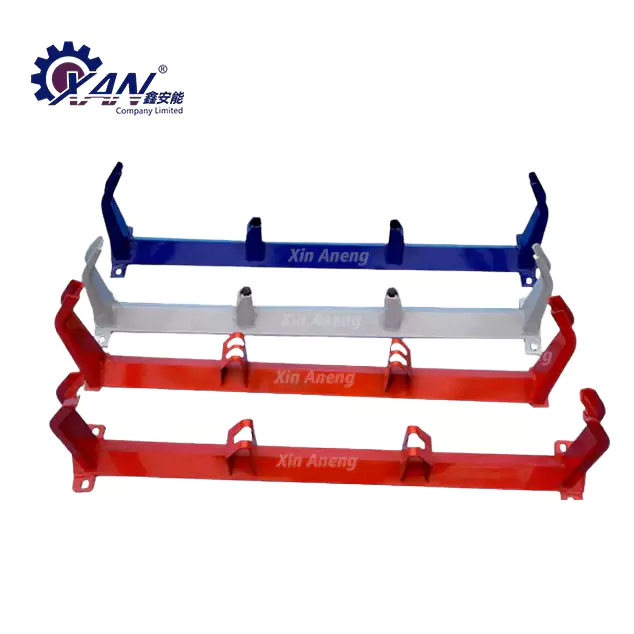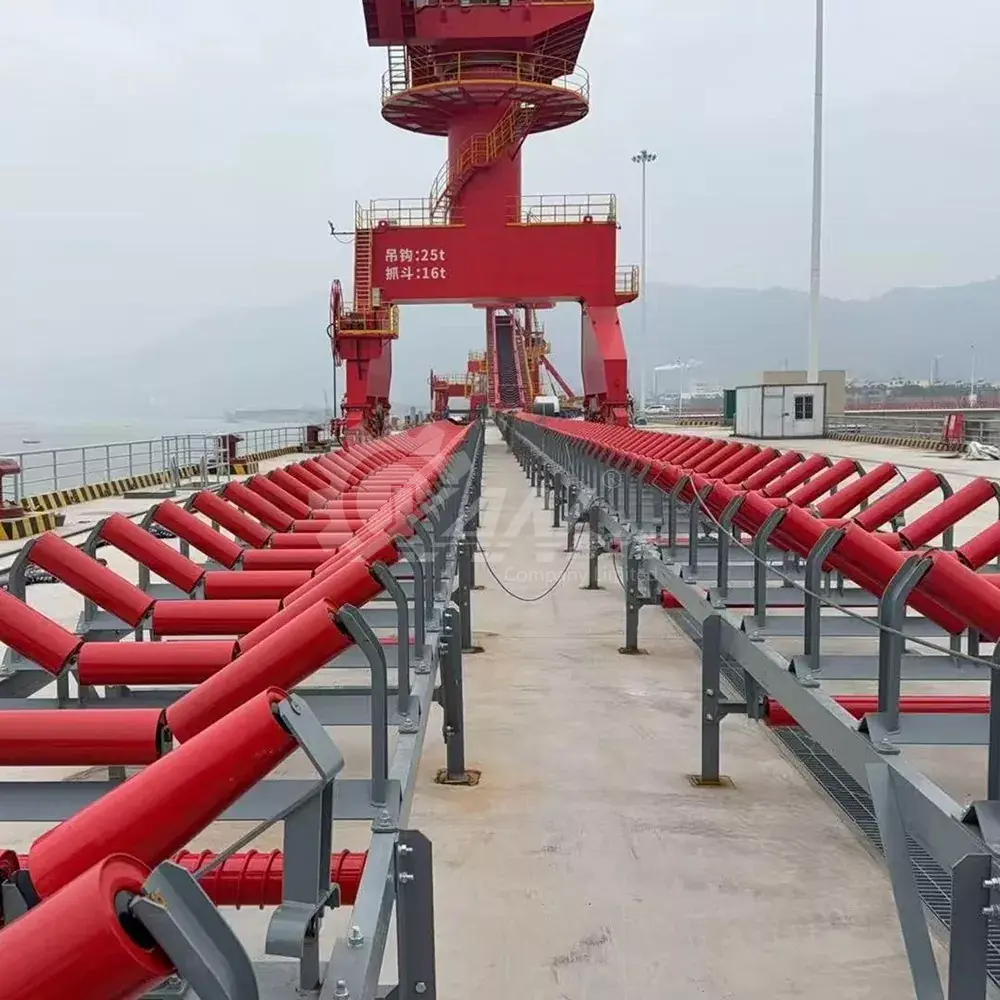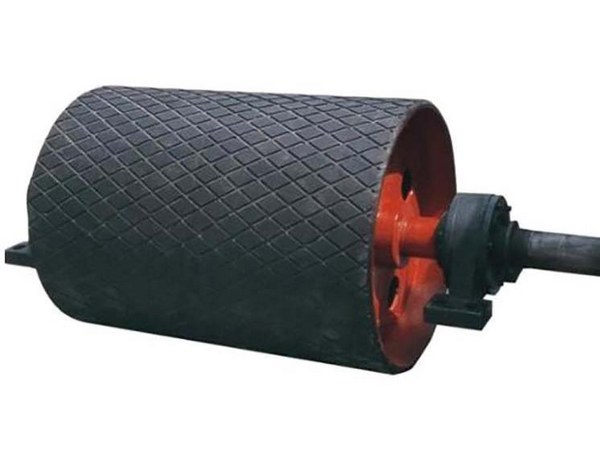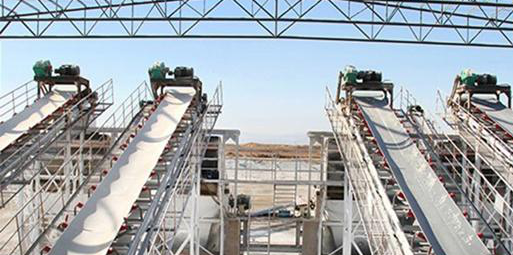
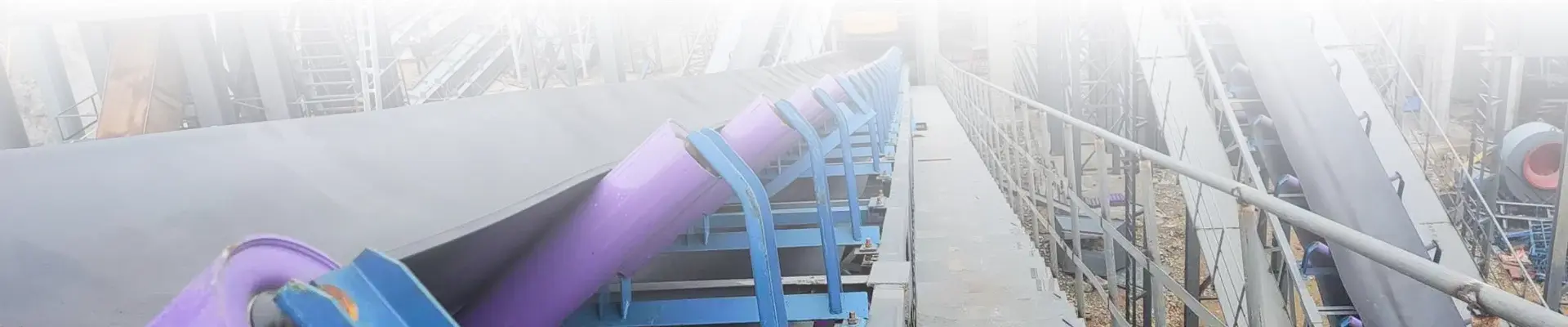
In the context of modern industrial production, there is a piece of equipment that, like "industrial blood vessels", silently undertakes the task of material transportation—it is the industrial conveyor rubber belt. As the core component of a belt conveyor, the industrial conveyor rubber belt is a flexible conveying member made mainly of rubber and matched with framework materials. It is widely used in many fields such as mining, metallurgy, coal, and chemical industry, and has become a key equipment connecting various links of production and improving conveying efficiency.
The structure of the industrial conveyor rubber belt seems simple, but it is actually precision-designed, mainly consisting of three parts: cover rubber, belt core and edge rubber. The cover rubber is the "outer coat" of the conveyor belt, which is in direct contact with materials and rollers. Different formulas of rubber are adopted according to working conditions, which have the characteristics of wear resistance, oil resistance, high temperature resistance, etc., and can effectively protect the internal structure from damage. As the "framework", the belt core bears the main tension during transportation. It is usually made of canvas, steel wire rope and other materials, and its strength directly determines the bearing capacity and service life of the conveyor belt. The edge rubber wraps around both sides of the belt core to prevent material leakage and enhance the edge wear resistance of the conveyor belt.
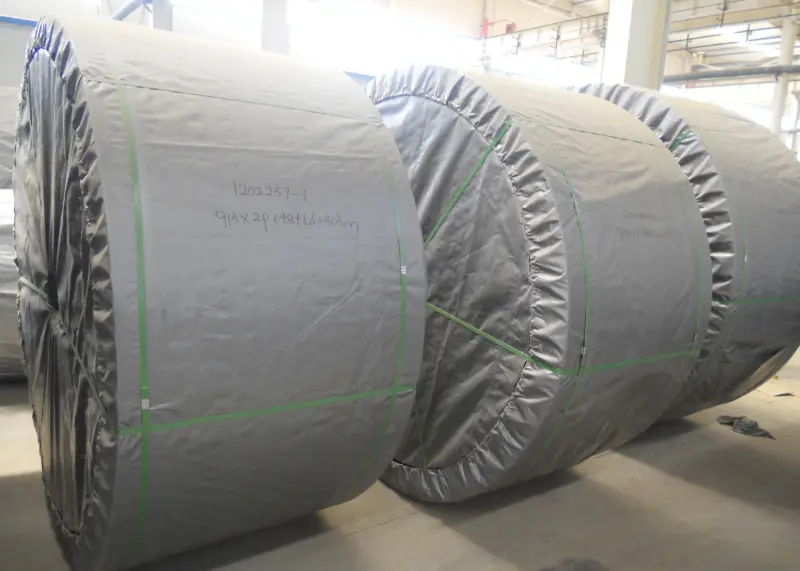
According to the usage scenarios and performance requirements, industrial conveyor rubber belts can be divided into various types. The general-purpose rubber belt is suitable for material transportation at normal temperature without special requirements, with high cost performance and the most extensive application; the heat-resistant rubber belt adopts a heat-resistant rubber formula, which can work in a high-temperature environment of 100℃ to 300℃, suitable for the transportation of high-temperature materials in metallurgy, cement and other industries; the acid and alkali resistant rubber belt adopts corrosion-resistant rubber material, which can resist the erosion of strong acids and alkalis, and is often used in chemical industry, salt industry and other fields. In addition, there are special rubber belts such as anti-skid, flame-retardant and cold-resistant ones, which cope with special working conditions such as inclined transportation, flammable and explosive, and severe cold environments respectively.
As the "handling expert" in industrial production, the application scenarios of industrial conveyor rubber belts are everywhere. In mines, it continuously transports the mined ore to the processing plant; in ports, it undertakes the transfer task of bulk materials and improves logistics efficiency; in factory production lines, it realizes the automatic transportation of raw materials and finished products, reducing labor costs.
With the upgrading of industrial technology and the popularization of environmental protection concepts, industrial conveyor rubber belts are developing towards the direction of green, intelligent and efficient. Environmentally friendly recyclable rubber belts are gradually promoted, the market penetration rate of energy-saving products is constantly improving, and intelligent monitoring technology has also begun to be applied to conveyor belts, which can monitor the operation status in real time and reduce the failure rate.
The seemingly ordinary industrial conveyor rubber belt undertakes the mission of efficient operation of industrial production. With its tough material and various types, it adapts to the needs of different industries, becomes an indispensable part of the modern industrial system, and witnesses the progress and development of industrial civilization.