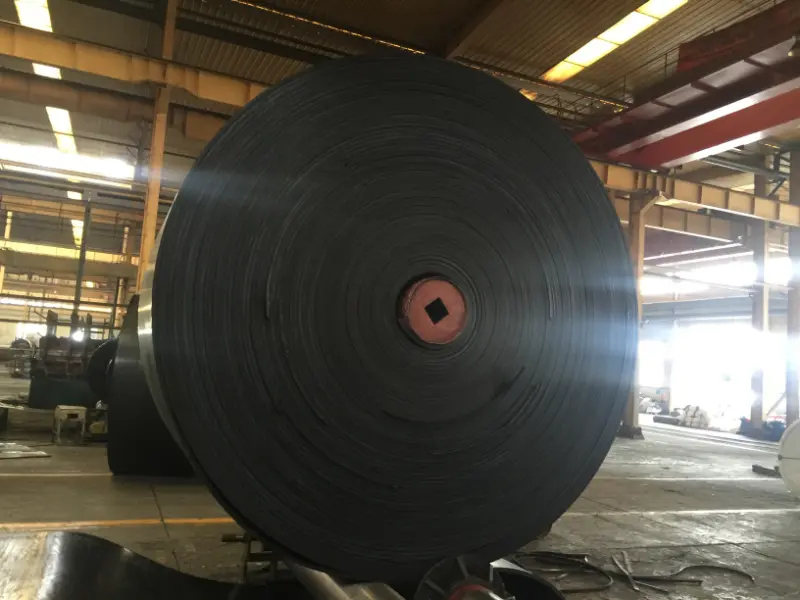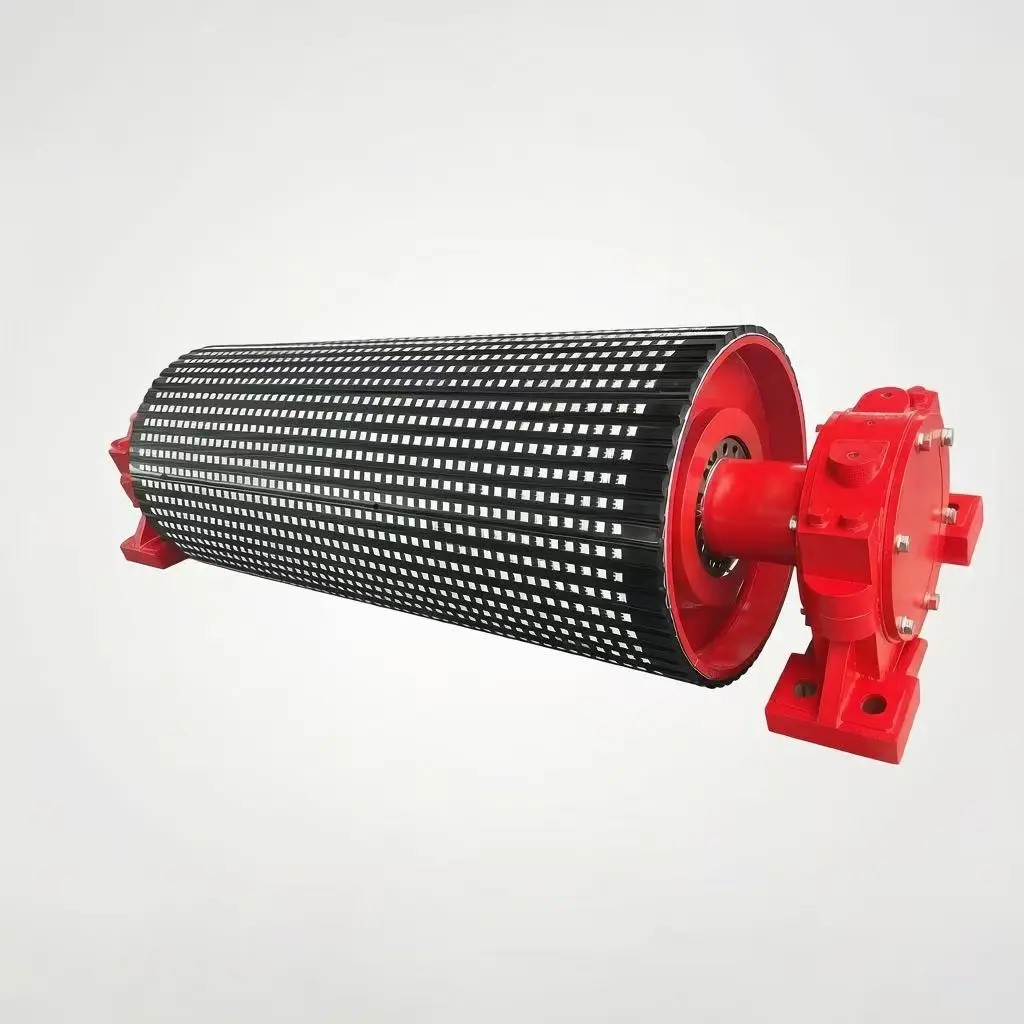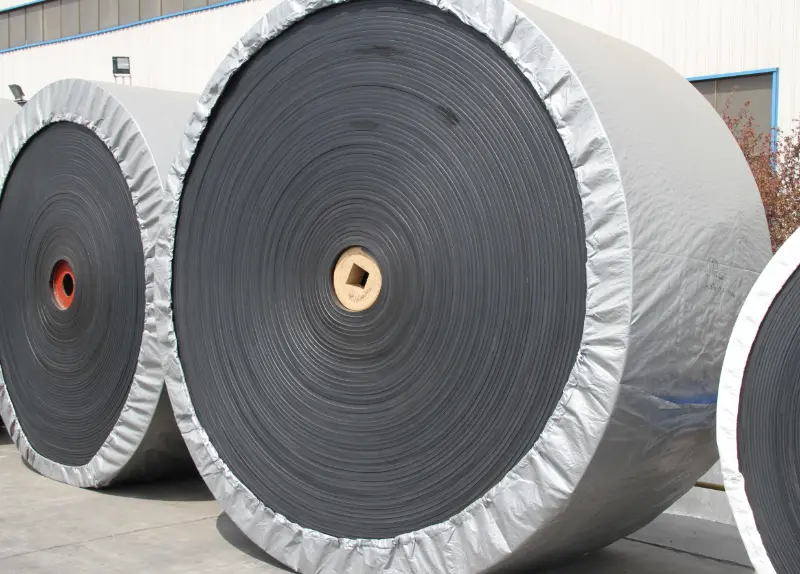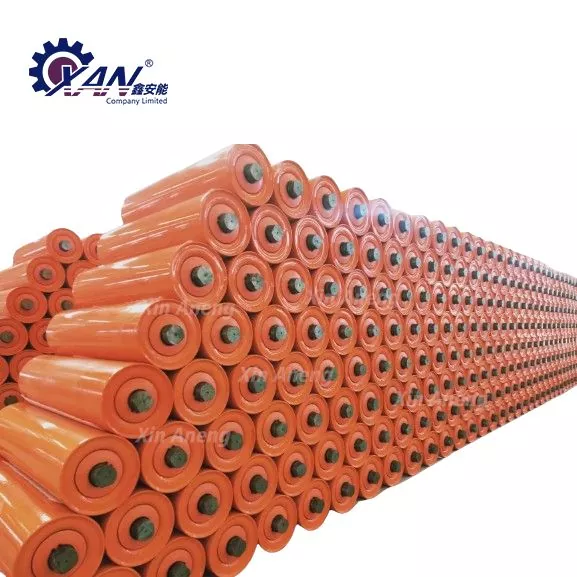
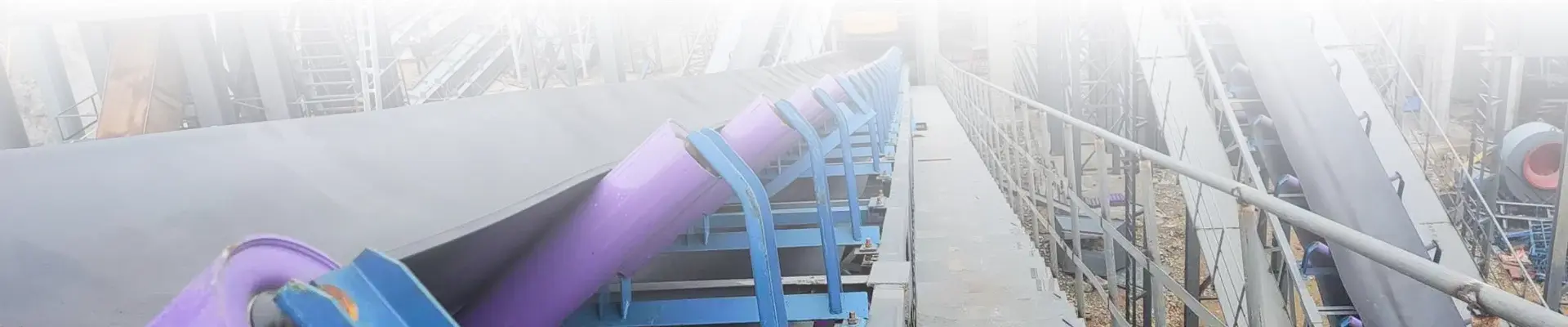
Conveyor belt installation is a key link in the construction of industrial material conveying systems, and the installation quality directly determines the operational stability, service life and production safety of the equipment. To avoid installation hazards and improve installation efficiency, combined with practical construction experience, the following installation guide suggestions are put forward to provide scientific reference for relevant operations, which are applicable to the installation of various common industrial conveyor belts.
In the pre-installation preparation stage, it is recommended to conduct a comprehensive inspection and planning. First of all, it is necessary to check the model and specification of conveyor belts, rollers, idlers and other accessories against the design drawings to ensure they fully match the equipment requirements, so as to avoid installation rework caused by inconsistent accessories. Secondly, clean the installation site, level the working ground, reserve sufficient operating space, check the integrity of tools such as electric drills and wrenches, and make safety protection preparations at the same time. Operators must wear protective equipment such as safety helmets and non-slip shoes. In addition, it is recommended to pre-treat the conveyor belt, clean the surface oil stains and debris, check for damage and cracks. For conveyor belts that need splicing, priority should be given to the splicing method matching the material to ensure the splice is firm and flat, so as to avoid splice detachment during operation.
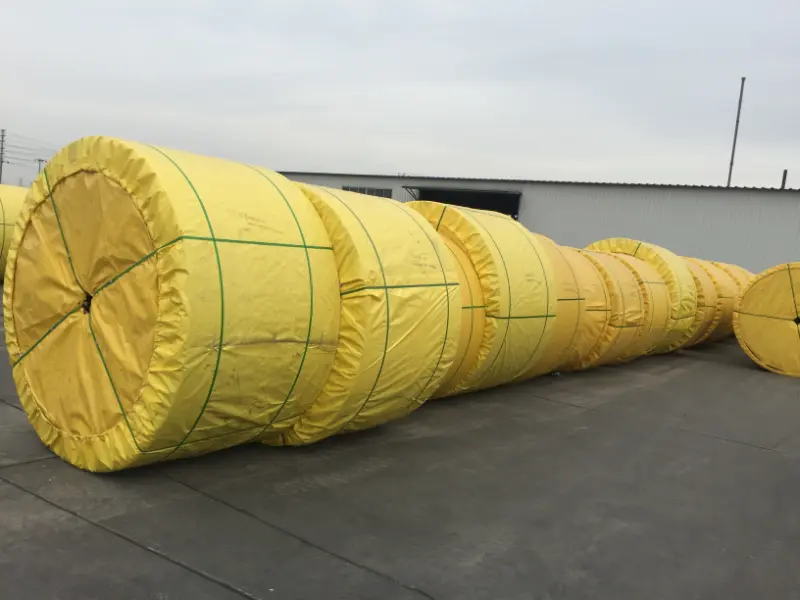
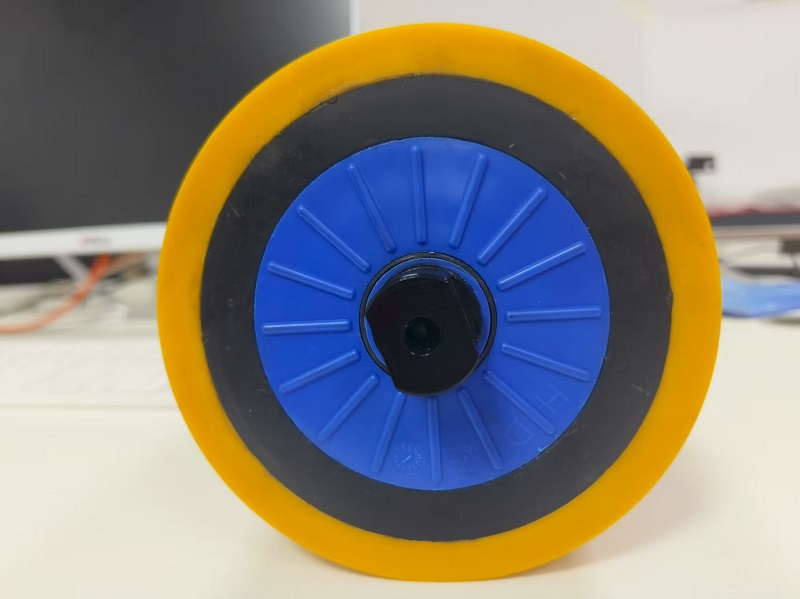
In the installation implementation stage, it is recommended to follow standardized operations and control key details. When installing the frame, it is recommended to calibrate the levelness and verticality of the frame with a level meter, and the fixing bolts should be tightened to prevent the frame from shaking during operation, which will affect the operation of the conveyor belt. When installing rollers and idlers, it is recommended to adjust the roller axis to be parallel to the frame, and the idlers should be installed at uniform intervals to ensure that the idlers rotate flexibly, avoid jamming, and prevent the conveyor belt from deviation due to uneven force. When laying the conveyor belt, it is recommended to avoid twisting and folding, handle it with care to prevent scratching the surface of the conveyor belt, and ensure that the conveyor belt is closely attached to the rollers and idlers without looseness.
In the commissioning and acceptance stage, it is recommended to be rigorous and careful to eliminate potential safety hazards. Before commissioning, it is recommended to check the installation of each component again to confirm that there is no looseness or misalignment. Start the equipment for no-load operation, observe whether the conveyor belt deviates or makes abnormal noise, adjust the tensioning device to make the tension of the conveyor belt moderate—too loose is easy to slip, and too tight will accelerate equipment wear. During acceptance, it is recommended to check the flatness of the splice, the firmness of components and the operational stability of the conveyor belt against the installation standards, and it can be put into use only after all indicators meet the standards.
It is recommended to keep up with the later maintenance suggestions to extend the service life of the conveyor belt. After installation, it is recommended to formulate a regular inspection plan, timely clean the debris on the surface of the conveyor belt, rollers and idlers, regularly check the tension and component wear, and do a good job in lubrication and maintenance. At the same time, it is recommended to standardize the operation process of operators to avoid damage to the conveyor belt caused by illegal operations, so as to ensure the long-term stable operation of the conveying system.