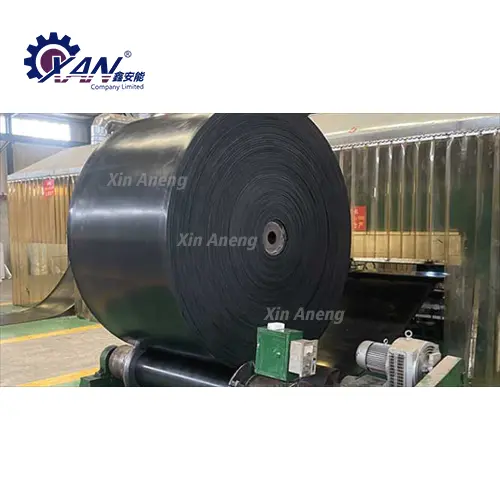
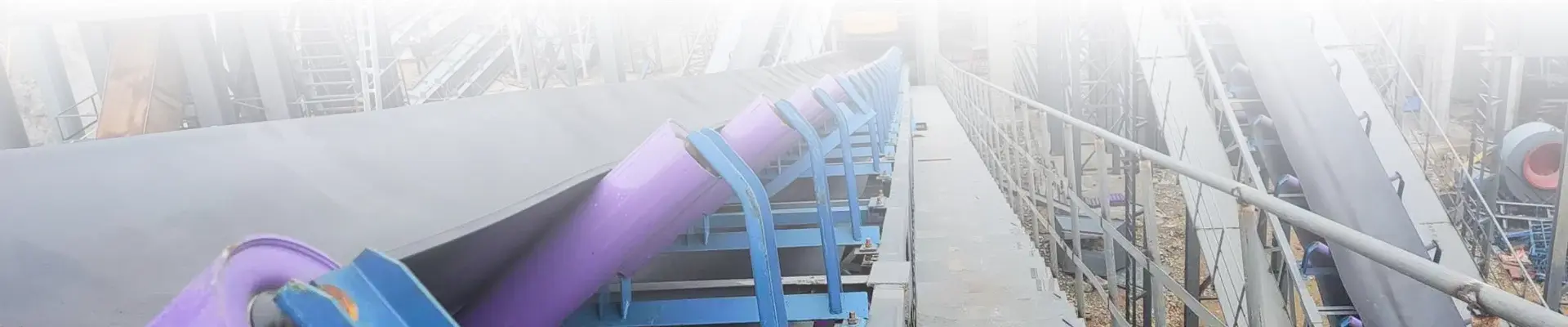
In the field of modern industrial material transportation, Steel cord belt are the core equipment for heavy-duty and long-distance transportation scenarios. As the third-generation conveyor belt product, they are compounded with high-strength steel wire ropes as the force-bearing framework and special rubber materials through professional processes, which completely solve the industry pain points of traditional conveyor belts such as insufficient tensile strength, easy wear, and short service life. They have become indispensable key conveying components in heavy industries such as mining, ports, electric power, and metallurgy.
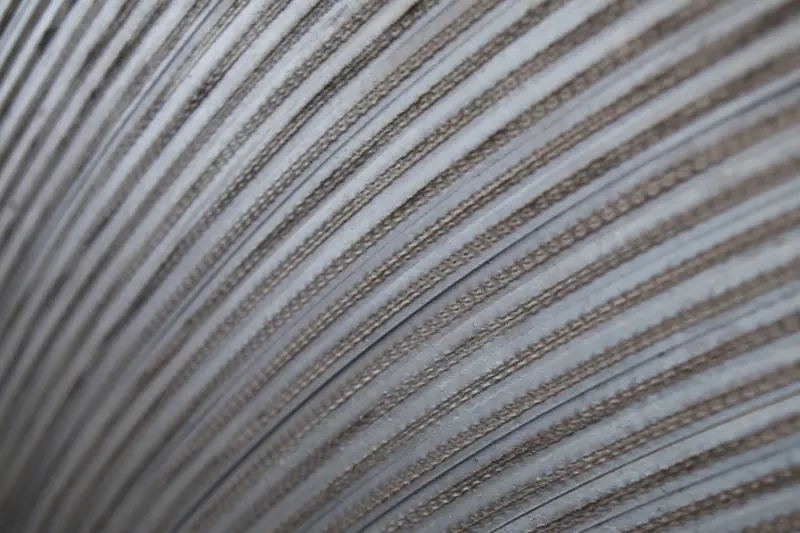
The structural design of Steel cord belt is carried out around the core principle of "framework support and protection and buffering", mainly composed of four parts working together. Its core component is galvanized steel wire ropes arranged evenly in the longitudinal direction, which are like the "load-bearing bones" of the conveyor belt, providing strong longitudinal tensile strength for the equipment. The arrangement density and diameter of the steel wire ropes can be flexibly customized according to actual transportation needs, with a maximum tensile strength of 10000N/mm, which can effectively avoid the risk of fracture in long-distance and heavy-duty transportation. The core rubber wrapped around the outer layer of the steel wire rope serves as a special bonding medium, which can closely combine the steel wire rope with the rubber matrix, effectively buffer the damage of material impact on the framework, and ensure structural stability. The upper and lower cover rubbers have clear division of labor: the upper cover rubber has excellent wear resistance and impact resistance, directly contacts the conveyed materials, and resists material wear; the lower cover rubber focuses on friction reduction and wear resistance, reduces friction loss with the conveyor drum, and ensures transmission efficiency. The side rubbers on both sides play a sealing and protective role, which can effectively block the intrusion of moisture and impurities into the interior, prevent the steel wire rope from rusting, and extend the service life of the equipment.
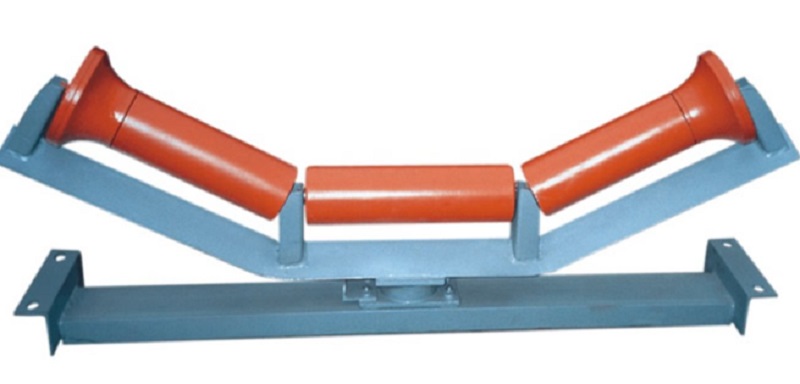
Compared with ordinary fabric core conveyor belts, Steel cord belt have obvious advantages. First, they have high tensile strength and small elongation in use. The elongation rate under full load is less than 0.25%, and the length of a single conveyor belt can exceed 10 kilometers, which can efficiently realize long-distance, large-capacity and high-speed material transportation. Second, they have excellent impact resistance and tear resistance, good trough ability, can easily form a deep trough structure, greatly increase the material loading capacity, and are not prone to deviation during operation, adapting to various complex conveying lines. In addition, through optimizing the rubber formula, special models such as flame-retardant, heat-resistant and cold-resistant can be made to accurately adapt to different working conditions. Its service life can reach 2-3 times that of ordinary conveyor belts, effectively reducing the operation and maintenance costs of enterprises.
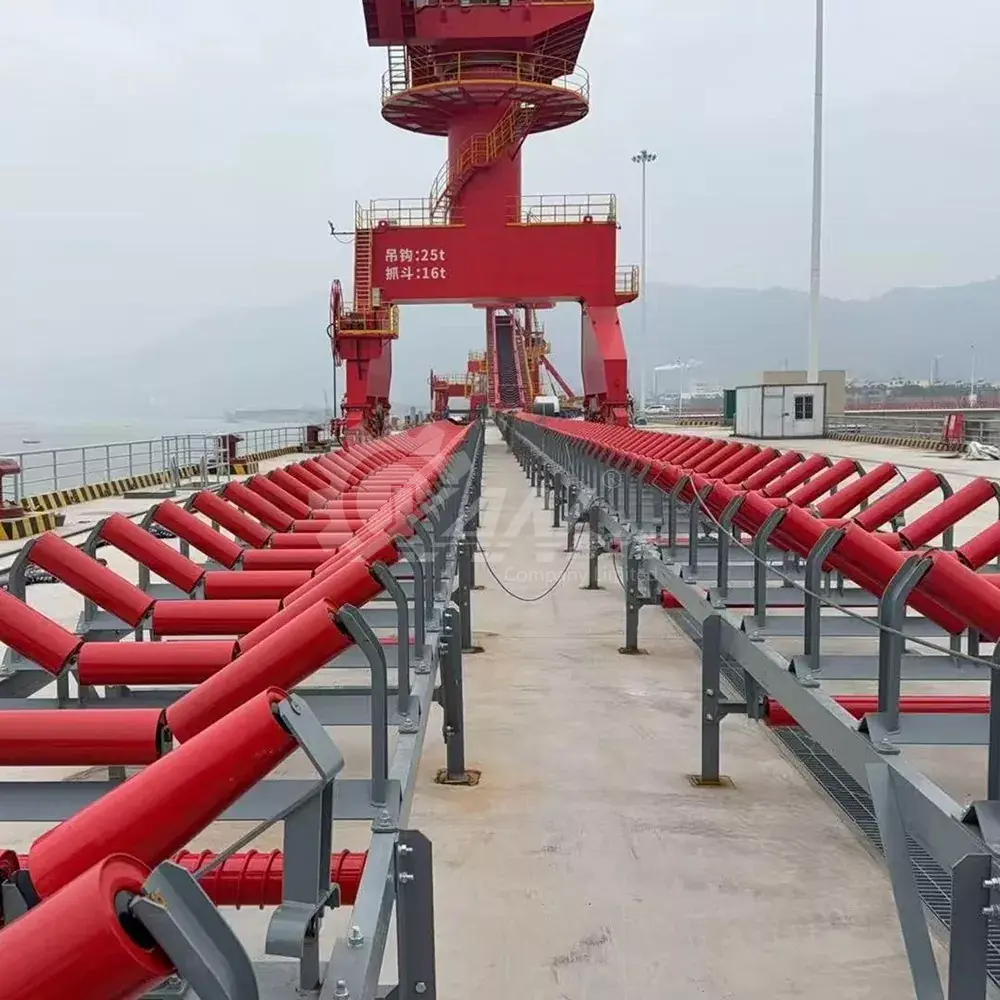
Steel cord belt have a wide range of application scenarios, covering multiple heavy industrial fields: in the mining industry, they mainly undertake the task of transporting ore and coal from underground to the ground, and need to have special properties such as flame retardant and electrical resistance to ensure the safety of underground operations; in the port field, they are used in links such as ship loading and unloading and yard transshipment, which can greatly improve the cargo throughput efficiency and help the efficient operation of port logistics; in industries such as electric power, metallurgy and building materials, they are respectively used in heavy-duty scenarios such as coal transportation and high-temperature clinker transshipment, adapting to various harsh operating environments. With the development of industrial intelligence and Green Development, Steel cord belt are iterating and upgrading towards intelligent monitoring and environmental protection and energy saving. By embedding intelligent sensors, real-time monitoring of equipment damage is realized, and environmentally friendly materials such as recycled rubber are used to effectively reduce the impact on the environment.