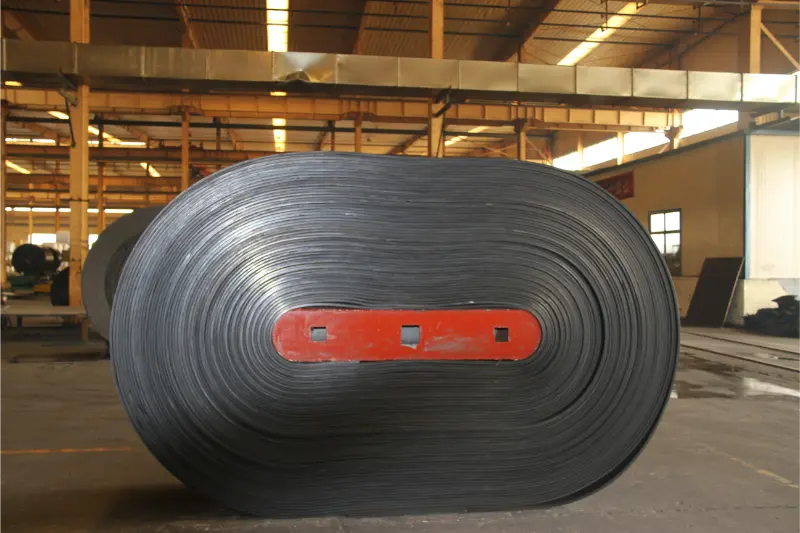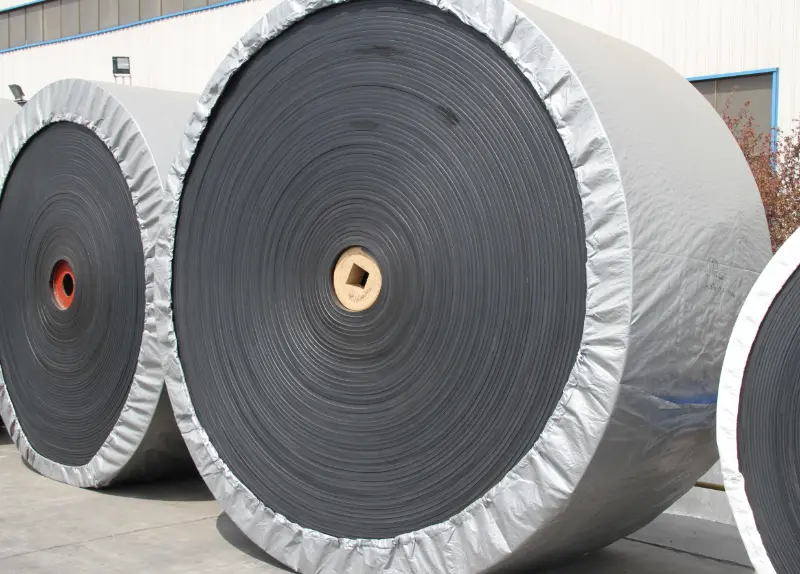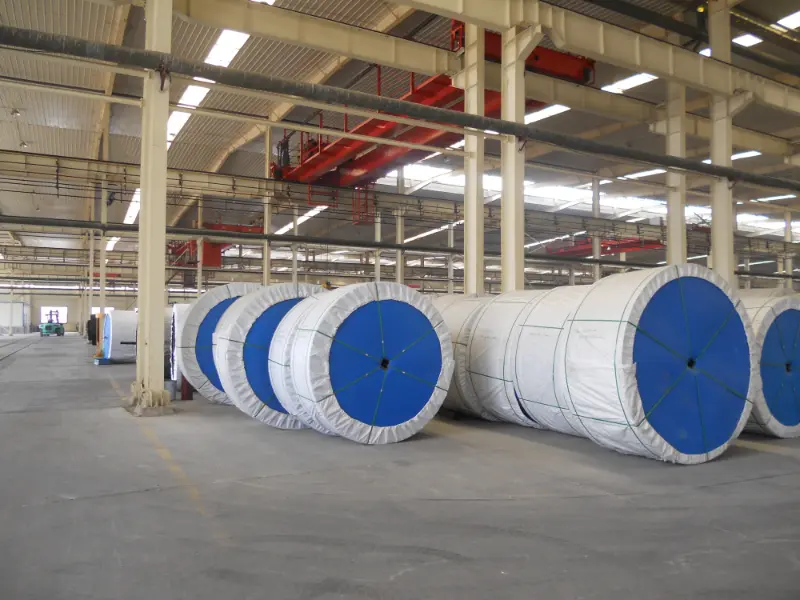
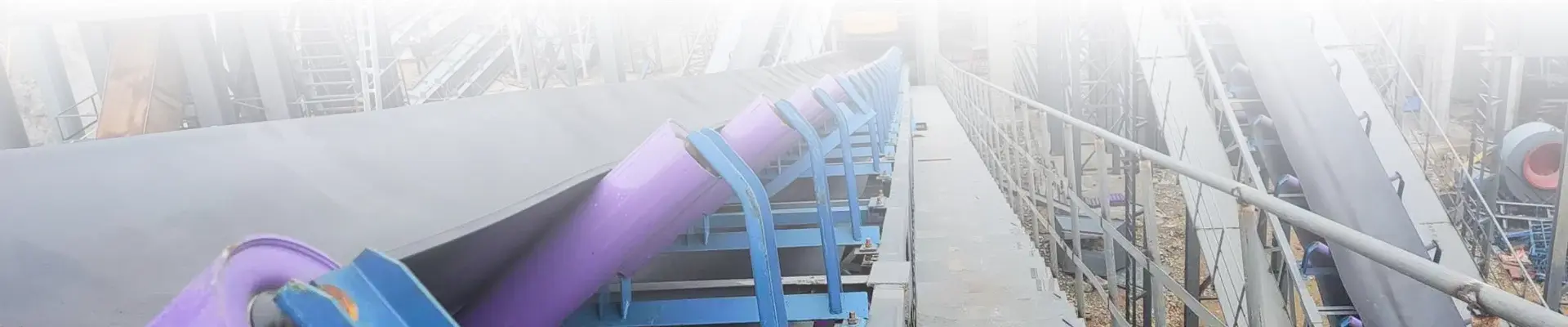
With the advantages of high strength, stretch resistance and long service life, Steel cord belt s are widely used in heavy-duty material conveying scenarios such as mines and ports. Their installation quality directly determines the operational safety and service life, so it is necessary to strictly follow the standard procedures and control the key links.
Preparation before installation is the foundation. It is necessary to check that the model and specification of the conveyor belt are consistent with the design requirements, inspect that the appearance of the conveyor belt is free of damage and the steel wire ropes are free of broken wires and rust. The core components must have qualified inspection reports, and flame-retardant and anti-static materials should be preferred to meet safety standards. At the same time, clean the installation site, level the ground and keep the passage unobstructed, check that the basic dimensions of the frame, drum and other components meet the standards, prepare hoisting, vulcanization, measurement and other tools, and ensure that the measuring instruments are within the verification validity period. In addition, technical disclosure and safety training should be carried out for construction personnel, and special operation personnel must hold certificates to take up their posts.
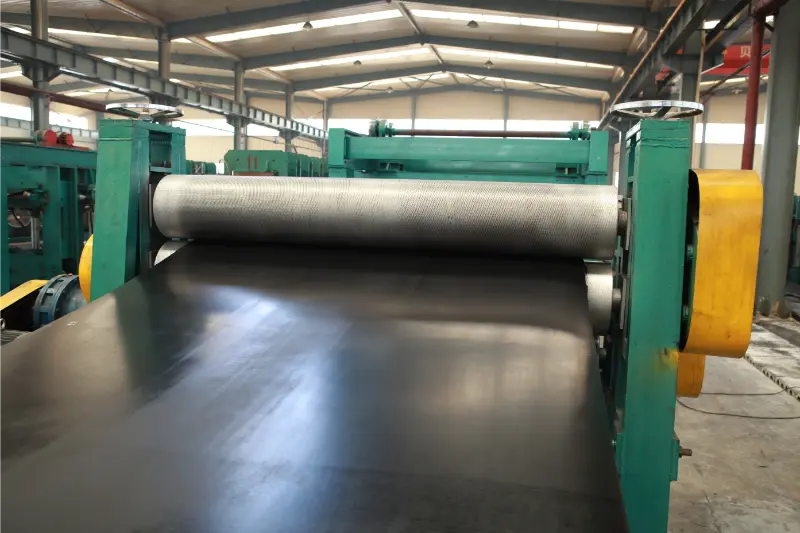
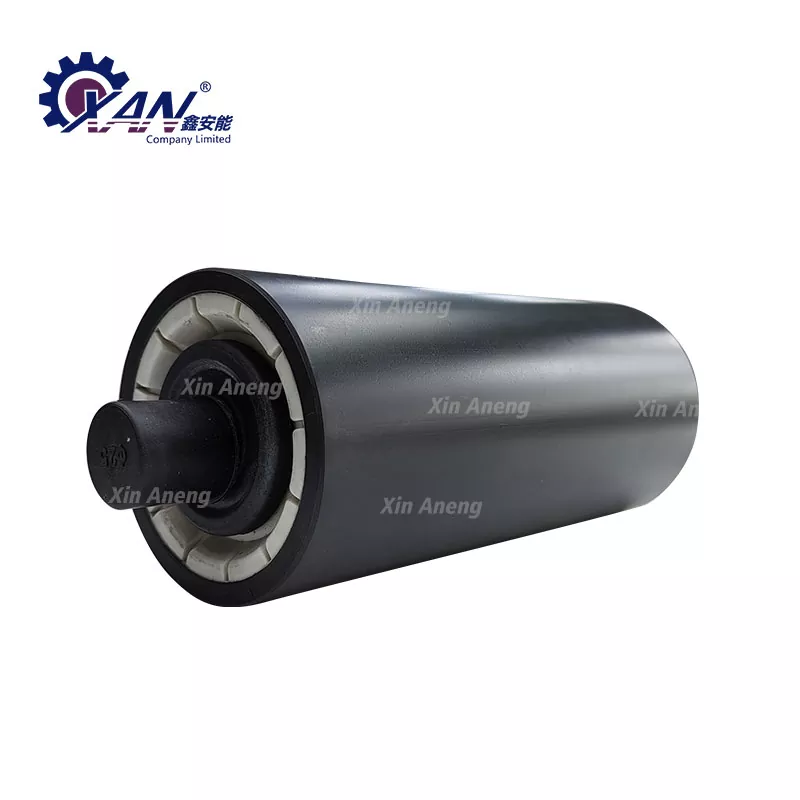
The installation of the frame and drum needs to control the accuracy. Set out the line based on the design drawings to ensure that the deviation between the center line of the frame and the design center line is not more than 10mm, the levelness and verticality of the frame meet the specifications, fix it firmly with anchor bolts and reserve sufficient maintenance space. When installing the drum, its axis line must be perpendicular to the center line of the conveyor belt, rotate flexibly without jamming, so as to avoid deviation of the conveyor belt caused by installation deviation. The idler group shall be installed according to the design spacing, and buffer idlers must be used at the loading point to prevent material impact from damaging the conveyor belt.
The laying and joint treatment of the conveyor belt are the key. During laying, adopt the method of mechanical cooperation with manual work to avoid folding, twisting and dragging, so as to prevent surface wear. The joint preferably adopts the vulcanization process, which shall be operated by professional personnel. Strictly control the temperature, pressure and time of cutting, grinding, gluing and vulcanization. After the joint is completed, a tensile test shall be carried out to ensure that the strength is not less than 90% of the original belt, and each joint shall be numbered and filed. It is strictly prohibited to splice conveyor belts of different specifications and types to avoid uneven stress at the joint leading to fracture.
Slackness, commissioning and acceptance cannot be ignored. Install the Slackness device and adjust it to the appropriate tension, reserve the plastic deformation margin of the conveyor belt to prevent damage to the steel wire rope due to excessive tension or slipping due to insufficient tension. After the installation is completed, first carry out no-load test operation for not less than 4 hours to check the operation stability and no deviation, then carry out load test operation to monitor the motor current, tension and the sensitivity of the protection device. It can be put into formal use only after passing the acceptance and signing the report.
Safety protection shall be done throughout the installation process. Sufficient fire-fighting equipment shall be equipped in the head area, and reliable braking devices shall be installed in inclined roadways. Strictly following the above matters can effectively reduce operational failures, extend the service life of the Steel cord belt , and ensure the safe and efficient operation of the conveying system.