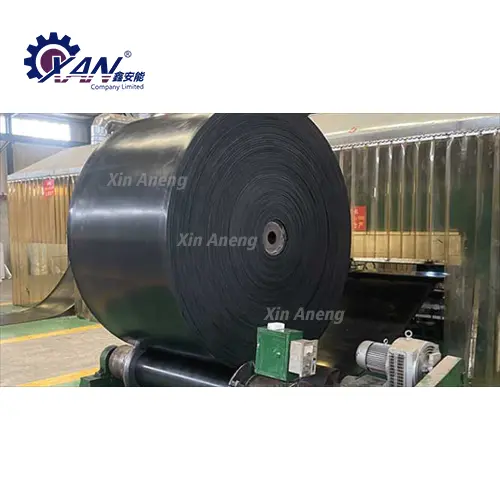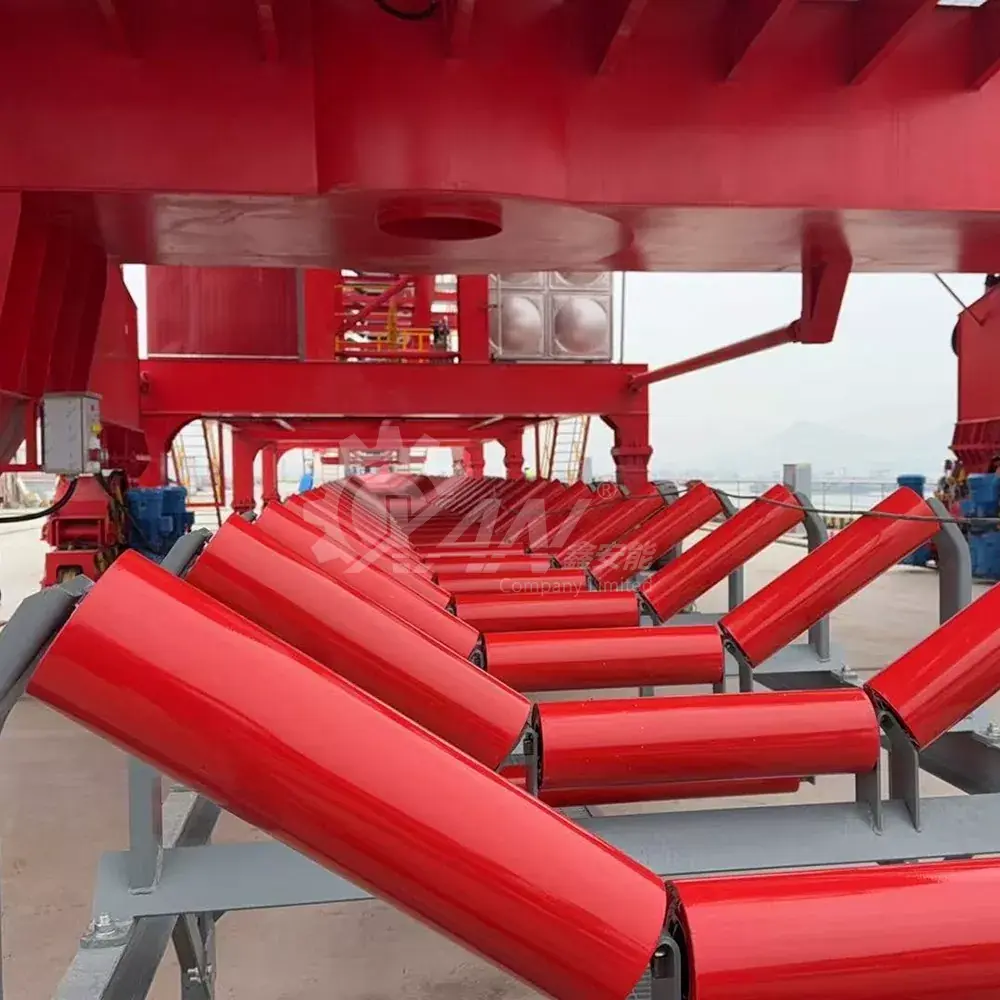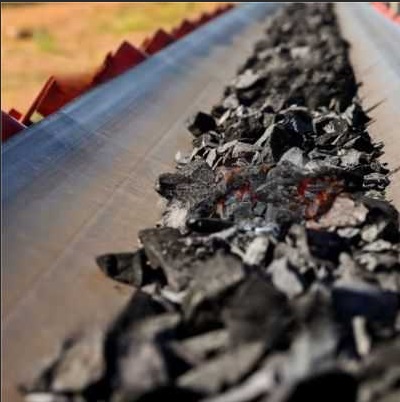
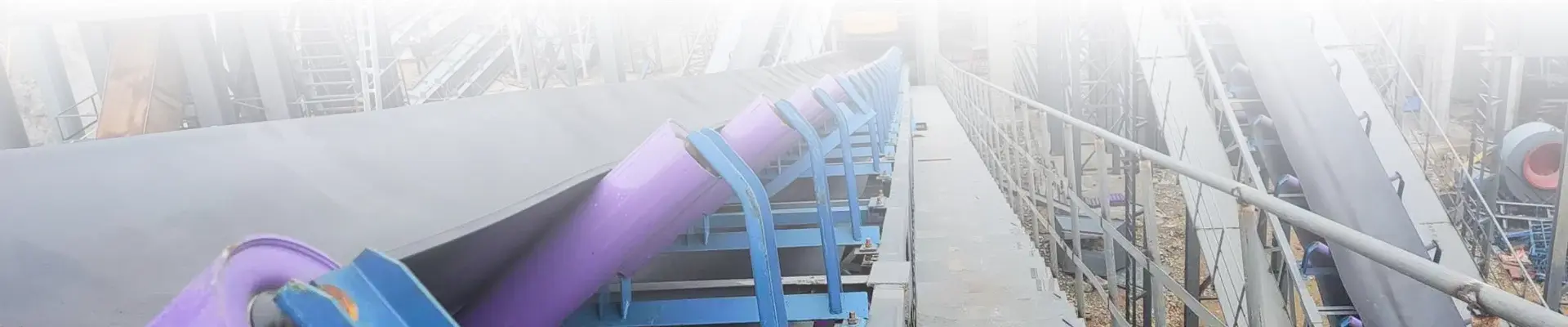
As a core component of automated logistics and production systems, the selection of conveyor rollers directly determines equipment operation efficiency, service life, and operating costs. Faced with a wide range of specifications and parameters, precise matching must be achieved based on material characteristics, working condition requirements, and cost budgets. The following decomposes the selection logic from core dimensions to help avoid common misunderstandings.
Material and structural selection is the foundation, which needs to be adapted to working conditions and material properties. Carbon steel (Q235) rollers are cost-effective and have strong load-bearing capacity, suitable for heavy-load and non-corrosive scenarios such as hardware processing workshops; 304/316 stainless steel rollers are resistant to acid and alkali corrosion, meeting the hygiene standards of the food and pharmaceutical industries; aluminum alloy rollers are lightweight with good heat dissipation, suitable for light-duty and high-frequency conveying scenarios such as electronic components. For inclined conveying (≤15°) or fragile material transfer, rubber-covered rollers should be selected, with a friction coefficient of up to 0.8, which can effectively prevent slipping and reduce vibration. The diameter of the roller is positively correlated with the load-bearing capacity. Common specifications are φ38mm (≤50kg/m), φ50mm (≤150kg/m), and φ89mm (≥200kg/m). For 1-ton metal parts, carbon steel rollers of φ89mm or larger should be used.

Load-bearing and power parameters need to reserve a safety margin. When selecting, it is necessary to distinguish between linear load and total load, and the dynamic load should be 20%-30% higher than the static load to cope with material movement impact. For long-distance conveying (>10m), intermediate drive units need to be added to avoid motor overload. The drive method is selected according to the scenario: electric rollers have a compact structure and noise ≤65dB, suitable for space-constrained scenarios such as e-commerce sorting lines; sprocket drive has large torque, suitable for heavy-load handling in mines; unpowered rollers rely on self-weight for pushing, suitable for short-distance scenarios such as warehouse unloading platforms.
Scenario adaptation and detail control determine the use effect. The spacing must satisfy that "the minimum supporting surface of the material covers 3 rollers", and the corresponding spacing for cartons with a side length of 300mm is ≤100mm. The conveying speed is adjusted according to the production rhythm: high-speed models of 3-6m/min are selected for sorting lines, and low-speed models of 0.5-2m/min are used for assembly lines. Special working conditions require customization: special bearing rollers resistant to 150-300℃ are selected for high-temperature environments; stainless steel anti-corrosion models are preferred for chemical scenarios; flame-retardant and anti-static models are required for explosion-proof workshops.
Over-specification should be avoided in selection, and standardized products should be prioritized to reduce maintenance costs. It is recommended to require manufacturers to provide load test reports and conduct on-site commissioning to verify stability and noise levels. Only by balancing needs, parameters, and scenarios can conveyor rollers become a booster for production efficiency rather than a cost burden.